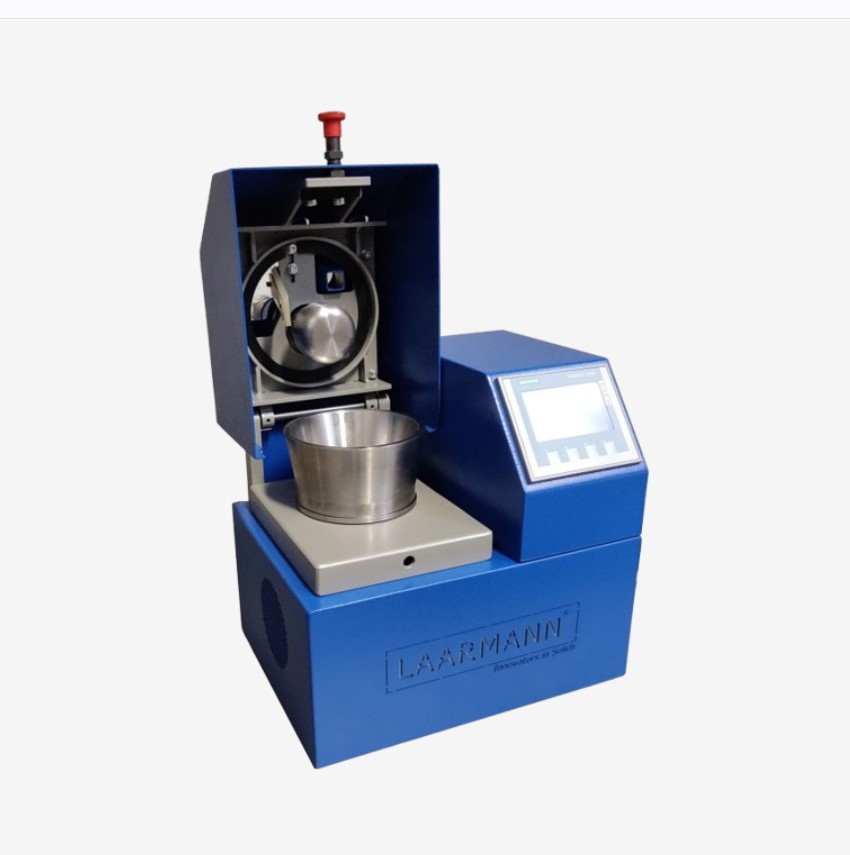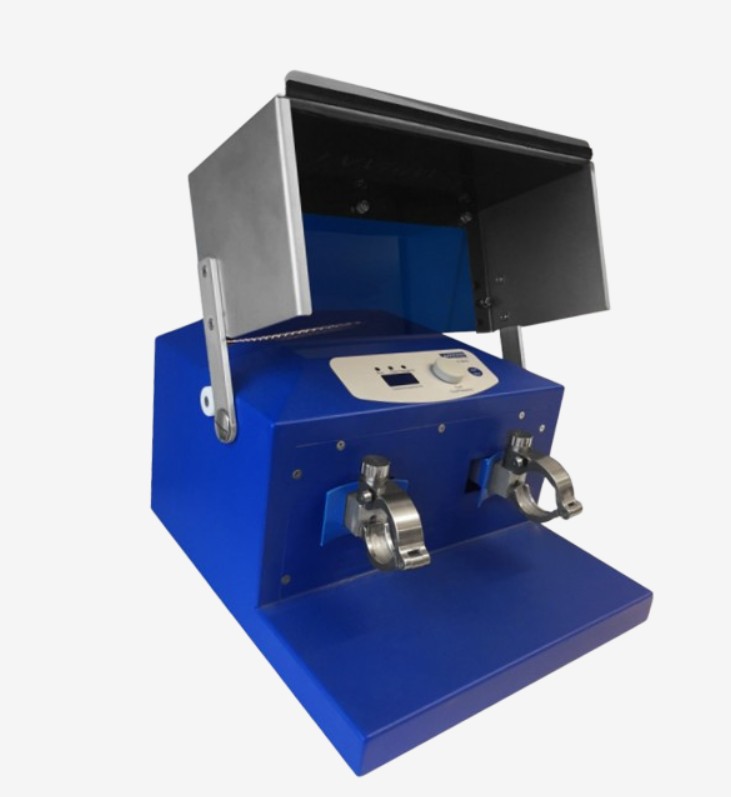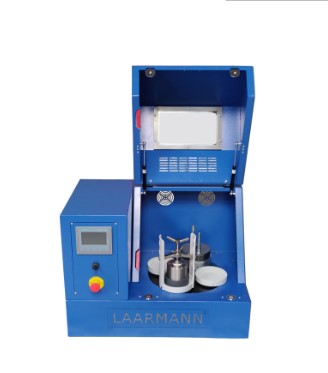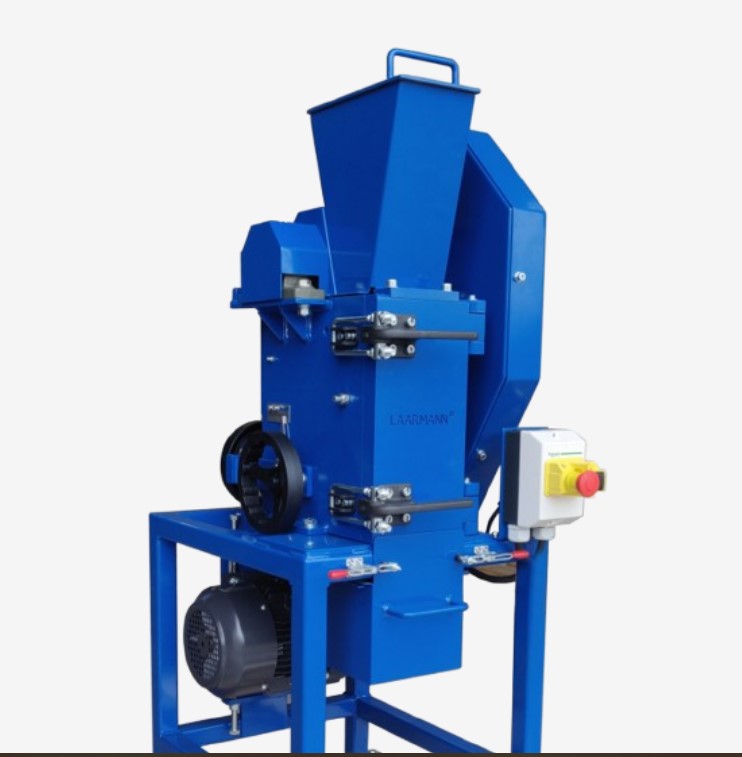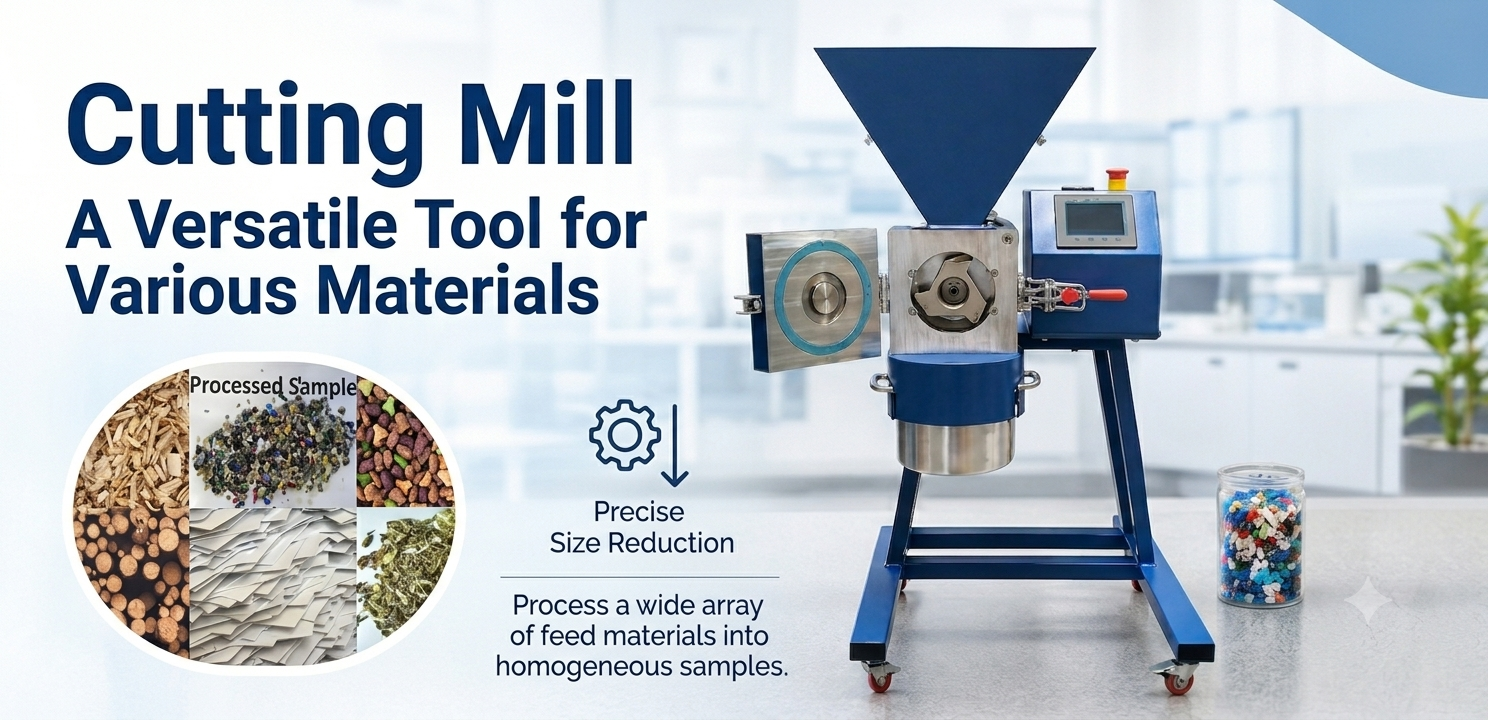
A Cutting Mill is a size-reduction machine used to cut and granulate solid materials into smaller and more uniform particles. It is widely used in laboratories and processing facilities for sample preparation, particularly when working with materials such as wood, plastics, waste, biomass, food products and other solid samples.
ARK Scientific offers a range of Cutting Mills designed for different sample sizes, capacities and applications, including the CM100, CM200, CM500, CM1000, CM2500 and CM4000 models.
What Is a Cutting Mill?
A Cutting Mill reduces material through a cutting action between rotating and fixed knives. The material enters the cutting chamber through the feed system, where the knives progressively cut and shred it.
The processed material then passes through a bottom sieve. The opening of the selected sieve helps determine the final particle size. Interchangeable bottom sieves allow users to select the appropriate particle-size range for their application.
This makes a Cutting Mill for laboratory sample preparation useful when a controlled and relatively homogeneous particle size is required before further testing or analysis.
How Does a Cutting Mill Work?
The working principle of a Cutting Mill is based on repeated cutting and size classification.
First, the solid sample is introduced into the cutting chamber. Inside the chamber, rotating knives work against fixed knives to cut the material into smaller pieces. As the material reaches the required size, it passes through the bottom sieve and is collected.
The sieve can be exchanged according to the required particle size. ARK Scientific's CM100, for example, can reduce suitable feed material from up to approximately 80 mm, with final fineness controlled through interchangeable bottom sieves.
For higher-throughput requirements, the CM500 is designed for samples up to approximately 30 kg/h, while the CM1000 can handle up to approximately 60 kg/h, depending on the material and configuration.
Applications of Cutting Mills
Cutting Mills can be used for many different types of solid materials. According to ARK Scientific's product information, applications include:
- Wood, paper, carton and cellulose
- Technical plastics such as ABS, PA, POM and PE
- Rubber and shredder light fractions
- Household and industrial waste
- Computer and electronic scrap
- Food and animal food
- Biomass and secondary fuels
- Plants, roots, twigs and similar materials
- Herbs, spices, grass and straw
- Bones
- Linoleum, carpets and cloth
ARK Scientific's application database also includes Cutting Mill tests involving wood and animal-food samples, demonstrating applications in environmental and food/feed sample preparation.
Benefits of Using a Cutting Mill
One important benefit of a Cutting Mill is the ability to control the final particle size using interchangeable sieves. This provides flexibility when preparing samples for different laboratory requirements.
Easy cleaning is another important consideration. ARK Scientific's Cutting Mill models are designed with accessible grinding chambers to simplify cleaning and changing of cutting components. The CM500, for example, provides access to the milling chamber for cleaning and features rapid sieve and knife changeover.
How to Choose the Right Cutting Mill?
Choosing the right laboratory Cutting Mill depends on several factors, including:
- Type and characteristics of the sample
- Maximum feed size
- Required final particle size
- Required processing capacity
- Suitable sieve size
- Frequency of sample processing
- Cleaning and maintenance requirements
Different Cutting Mill models are available because laboratory and processing applications can require different capacities and configurations. Therefore, testing the actual sample can be useful when selecting the appropriate equipment. ARK Scientific provides sample testing for customers to evaluate equipment suitability before purchase.
Conclusion
A Cutting Mill is an important size-reduction machine for laboratories and processing applications where solid materials need to be cut, shredded and reduced to a controlled particle size. Its combination of rotating and fixed knives with interchangeable sieves allows materials to be processed according to specific sample-preparation requirements.
From wood and plastics to biomass, food, waste and other solid materials, Cutting Mills can support a wide range of sample-preparation applications. Selecting the appropriate model and sieve configuration is essential for achieving the desired processing performance and particle size.