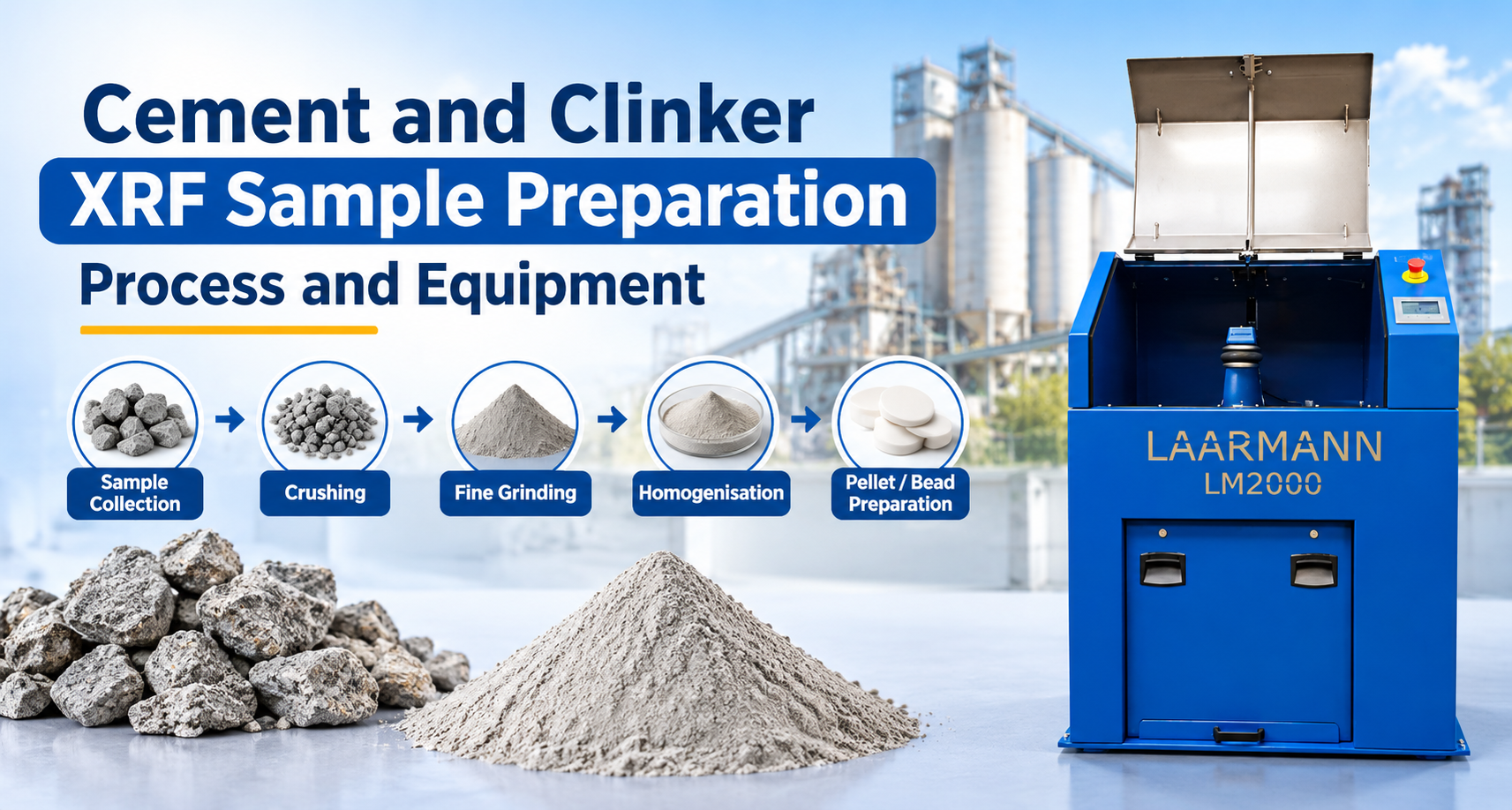
Cement manufacturing requires accurate chemical analysis to maintain product quality, strength, and consistency. X-ray Fluorescence (XRF) analysis is widely used in cement laboratories to determine the chemical composition of raw materials, clinker, and finished cement. However, achieving reliable XRF results depends on proper sample preparation. Cement and clinker samples must be correctly crushed, finely ground, and homogenized before chemical analysis.
ARK Scientific offers advanced laboratory sample preparation equipment designed to support grinding and material testing applications in cement and other industries.
Importance of Cement and Clinker XRF Sample Preparation
XRF analysis helps identify and measure important chemical components in cement and clinker, including calcium oxide (CaO), silicon dioxide (SiO₂), aluminium oxide (Al₂O₃), iron oxide (Fe₂O₃), and magnesium oxide (MgO).
Clinker is a hard and brittle material that requires effective size reduction and fine grinding before analysis. Improper grinding, uneven particle sizes, and contamination can affect the consistency of analytical results. Proper sample preparation helps laboratories obtain homogeneous samples and improve the reliability of chemical testing.
Steps Involved in Cement and Clinker Sample Preparation
1. Sample Collection
The first step is collecting a representative sample from the cement manufacturing process. Samples should be collected carefully to avoid contamination and material segregation. Proper sampling ensures that the collected material represents the actual batch and supports accurate laboratory analysis.
2. Initial Crushing
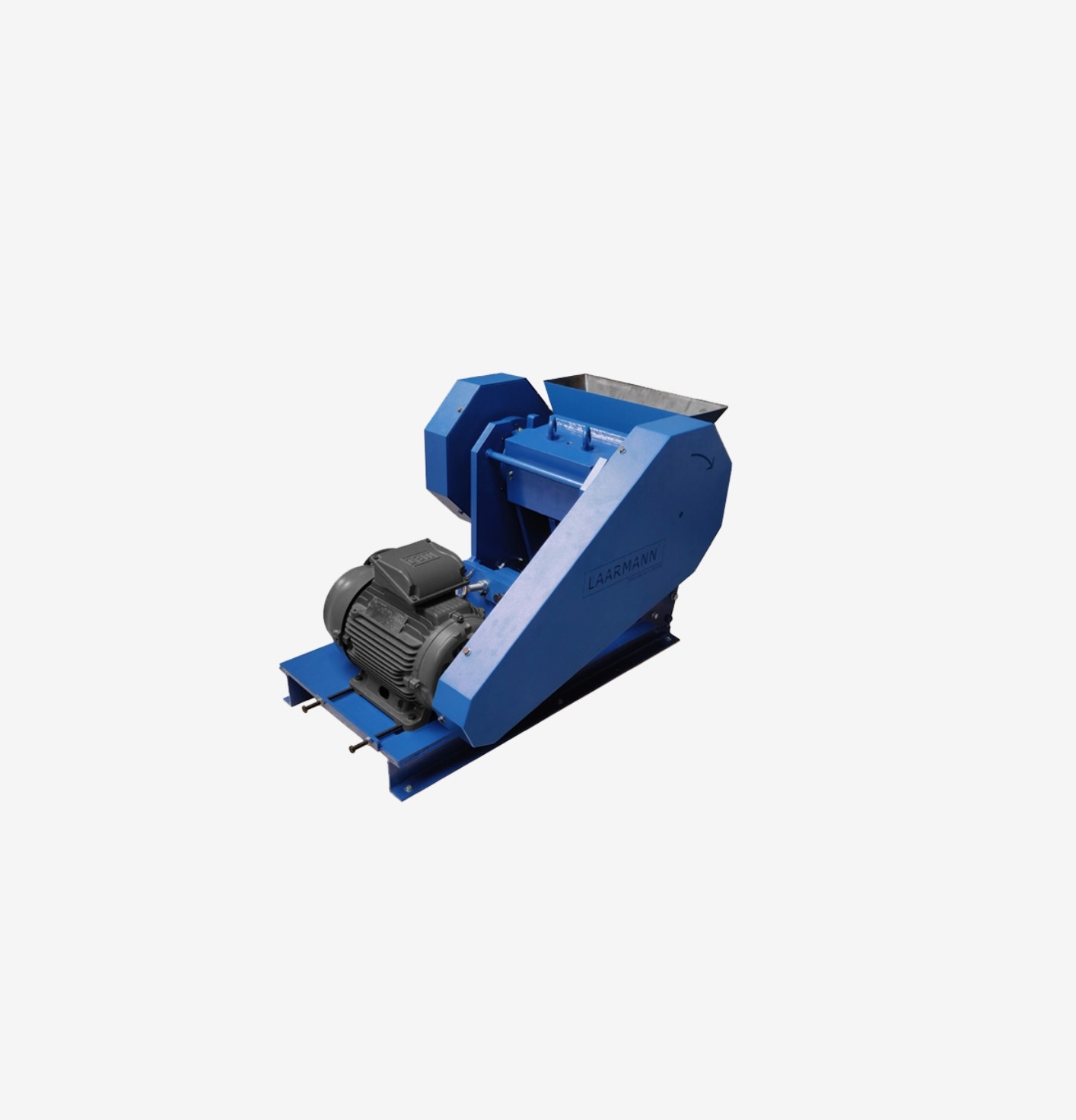
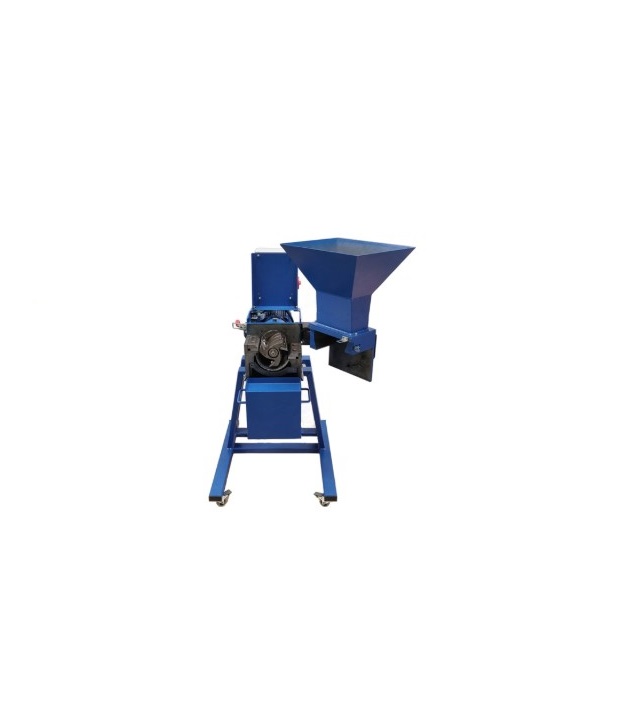
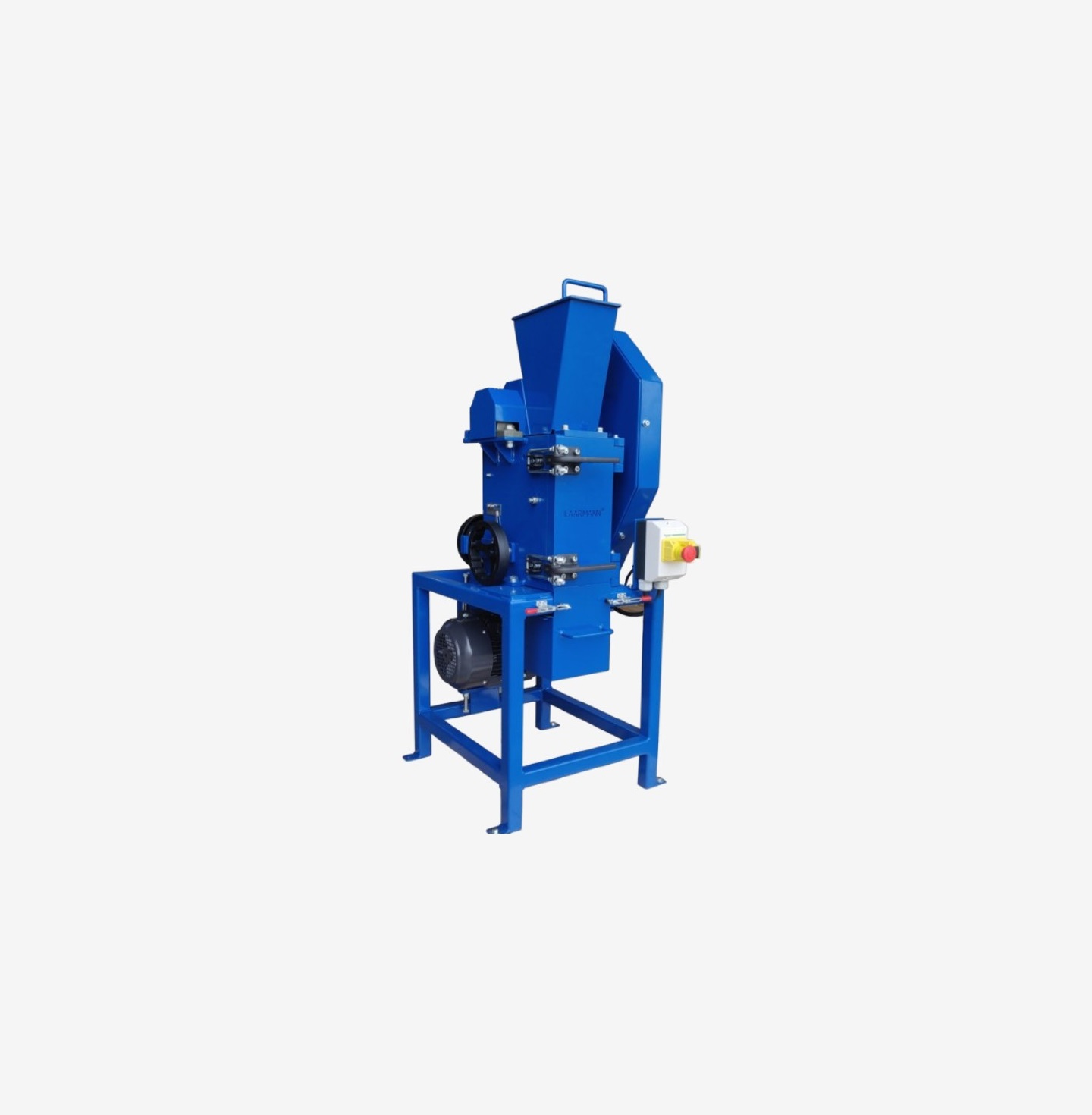
Cement clinker contains hard particles that must be reduced in size before fine grinding. Laboratory jaw crushers are commonly used for the initial crushing process. They reduce larger clinker pieces into smaller particles suitable for further processing.
Choosing suitable crushing equipment helps maintain consistent particle sizes and improves the efficiency of subsequent grinding operations.
3. Fine Grinding and Pulverising
Fine grinding is an essential stage in XRF sample preparation. The crushed material must be converted into a fine, uniform powder to reduce particle size variations and improve sample homogeneity.
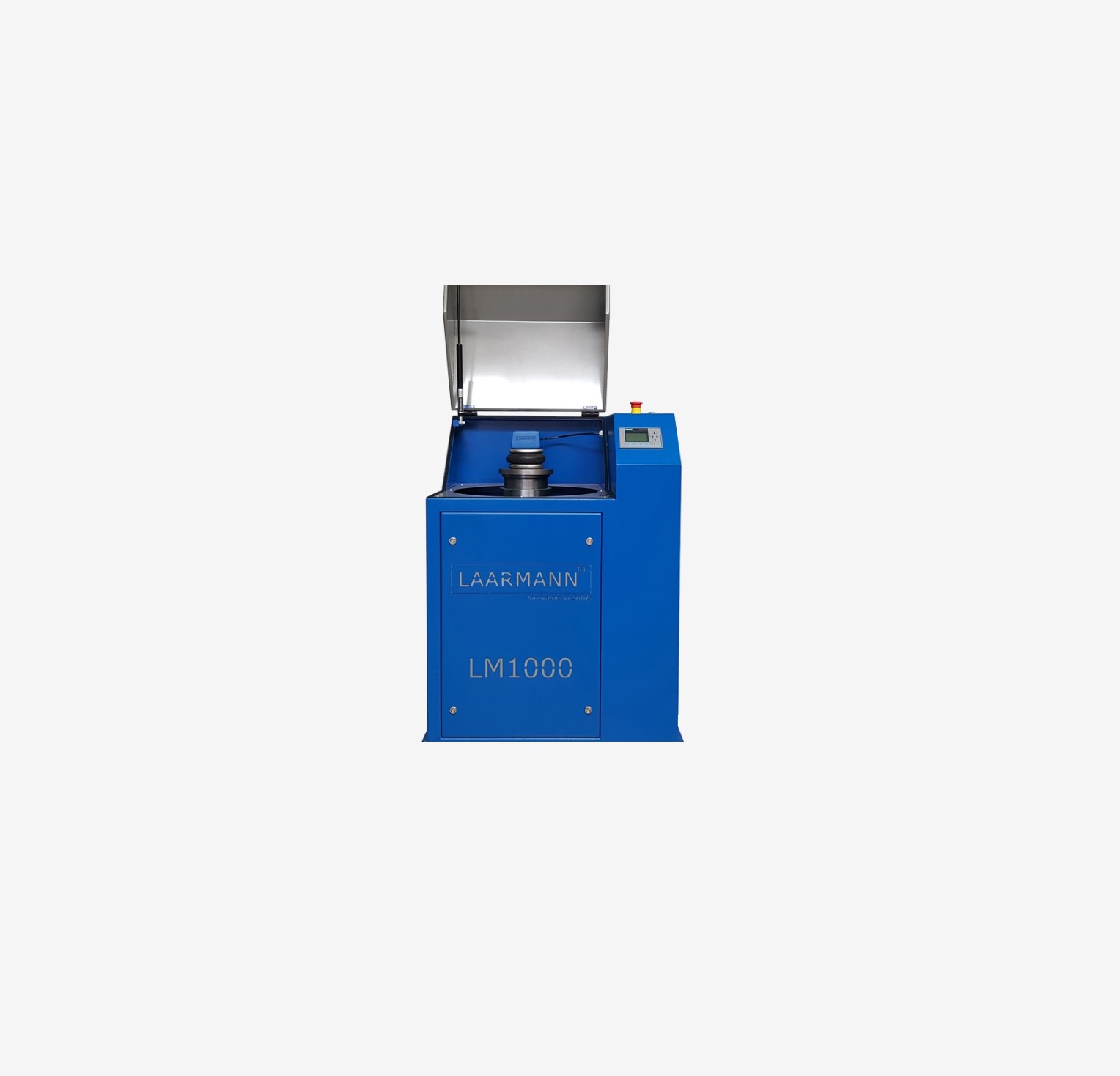
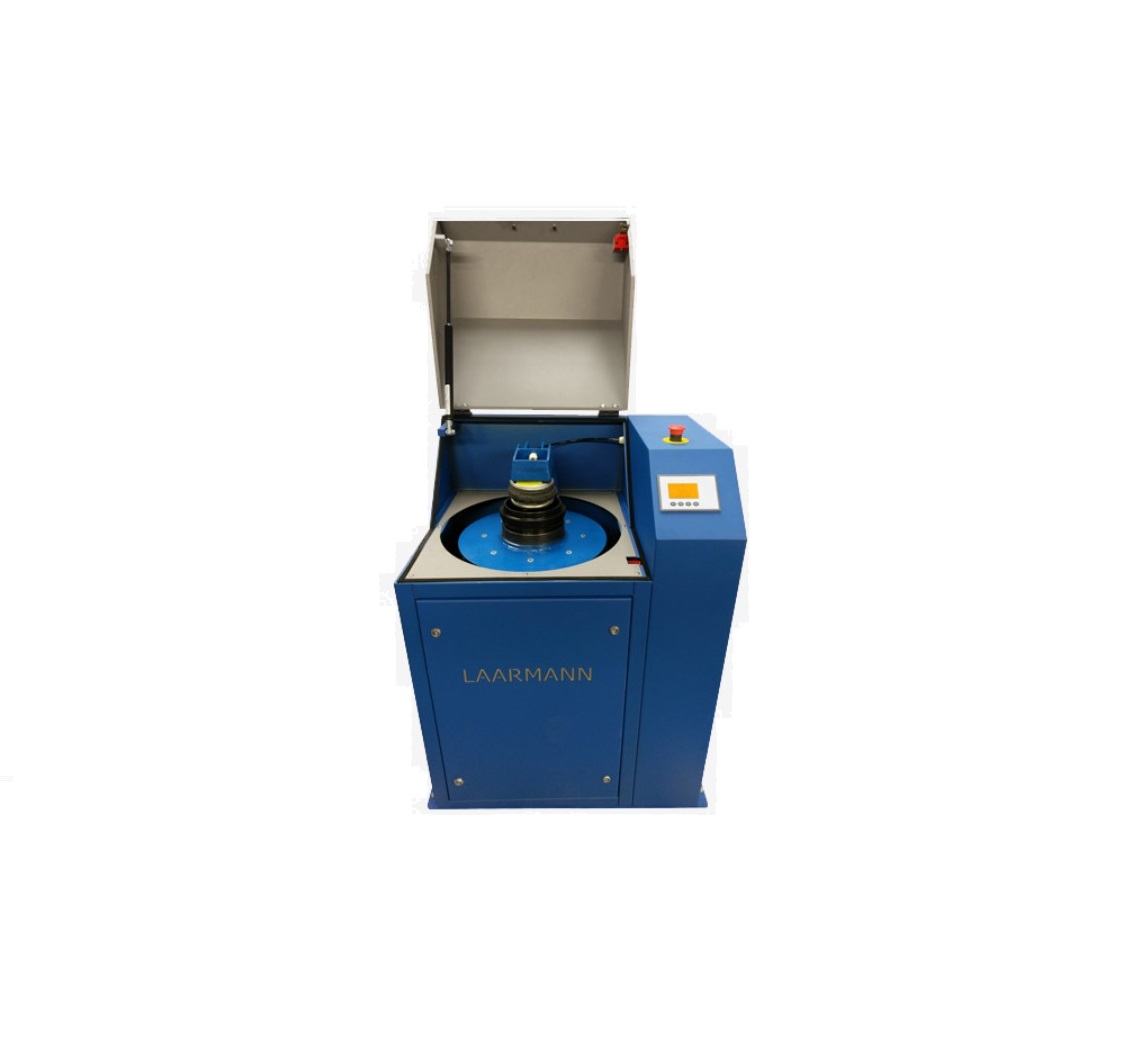
The LM2000 Pulveriser Ring Mill from ARK Scientific is designed for rapid grinding of hard, brittle, and fibrous materials. It uses impact, pressure, and friction generated through three-dimensional vibrations to achieve efficient size reduction.
For cement clinker applications, ARK Scientific reports an achievable end fineness of less than 150 µm. Depending on the material and grinding configuration, the equipment can typically achieve 90–95% below 75 µm in approximately three minutes.
4. Sample Homogenisation
After grinding, the powdered sample should be thoroughly mixed to ensure uniformity. Homogenisation reduces differences in material composition throughout the sample and helps obtain representative portions for XRF testing.
Care should also be taken when selecting grinding bowl materials to minimize contamination. Options such as chrome steel, tungsten carbide, zirconium oxide, and agate can be selected according to laboratory requirements.
5. Preparing Samples for XRF Analysis
Once the sample has been ground and homogenized, it can be prepared for XRF analysis using two common methods.
Pressed Powder Pellets: The powdered sample is mixed with a suitable binder and compressed into a pellet using a laboratory pellet press. The prepared pellet provides a consistent surface for XRF measurement.
Fused Glass Beads: A measured quantity of the powdered sample is mixed with a suitable flux and heated until it forms a homogeneous glass bead. This method helps reduce particle size and mineralogical effects during analysis.
The appropriate method depends on the laboratory's testing requirements and analytical procedures.
Choosing the Right Laboratory Equipment
Selecting suitable sample preparation equipment is important for achieving consistent grinding results. Laboratories should consider material hardness, sample quantity, required fineness, processing time, and contamination risks.
ARK Scientific provides laboratory equipment such as jaw crushers, vibratory cup mills, pulveriser ring mills, and pellet presses for different sample preparation requirements. These solutions support cement laboratories in preparing samples for chemical and material analysis.
Conclusion
Accurate cement and clinker XRF analysis begins with proper sample preparation. Representative sampling, initial crushing, fine grinding, homogenisation, and appropriate pellet or fusion preparation all contribute to reliable analytical results.
ARK Scientific's LM2000 Pulveriser Ring Mill offers an effective solution for grinding cement clinker and other hard materials. With suitable laboratory sample preparation equipment, cement manufacturers and testing laboratories can maintain consistent sample quality and support effective chemical analysis.