Accurate sample preparation is essential for laboratories involved in mineral analysis, mining, cement production, metallurgy, and material testing. Before conducting chemical or physical analysis, samples must be reduced to a fine and uniform particle size. A Laboratory Pulveriser Ring Mill is an effective solution for achieving rapid and consistent grinding of hard, brittle, and fibrous materials.
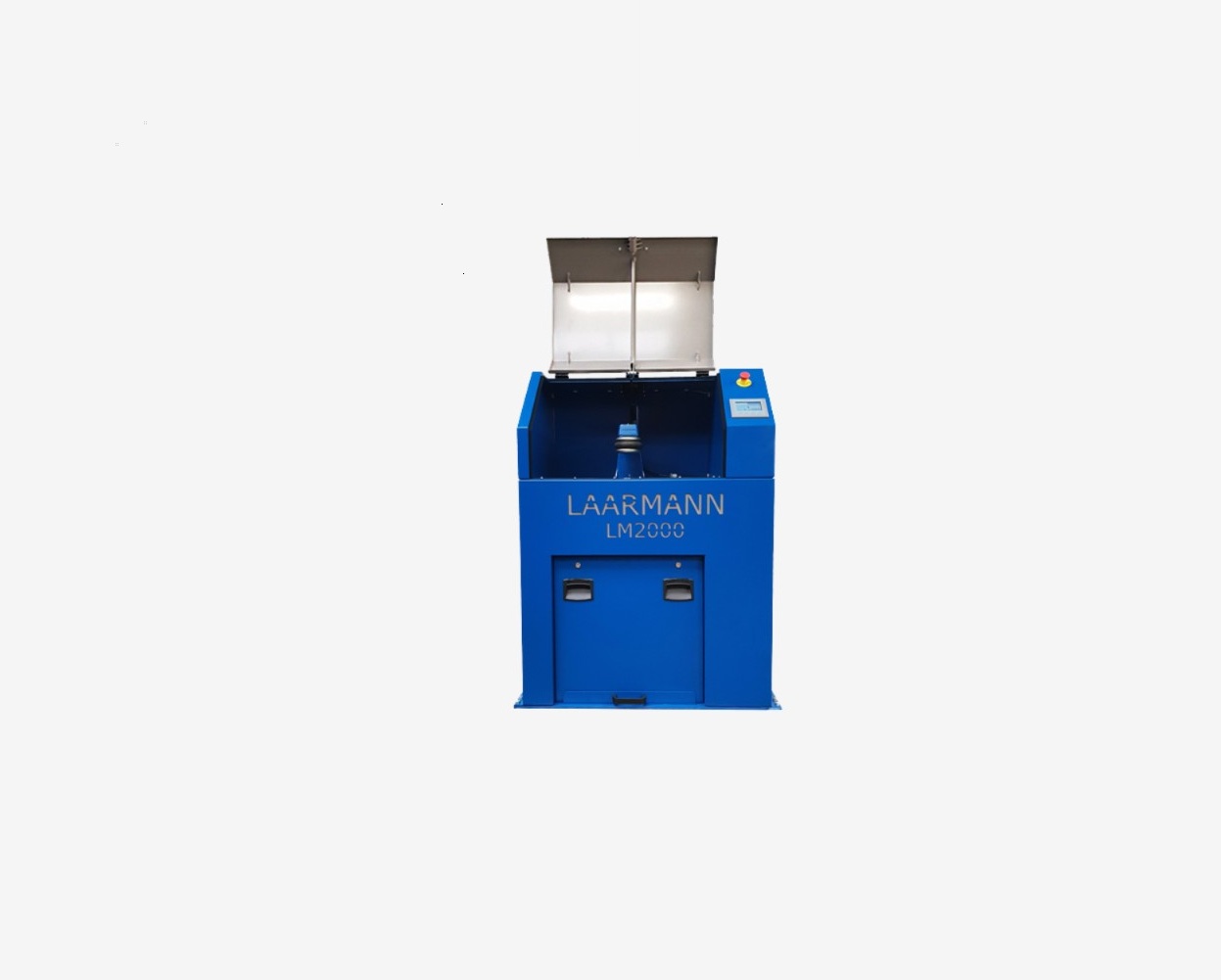
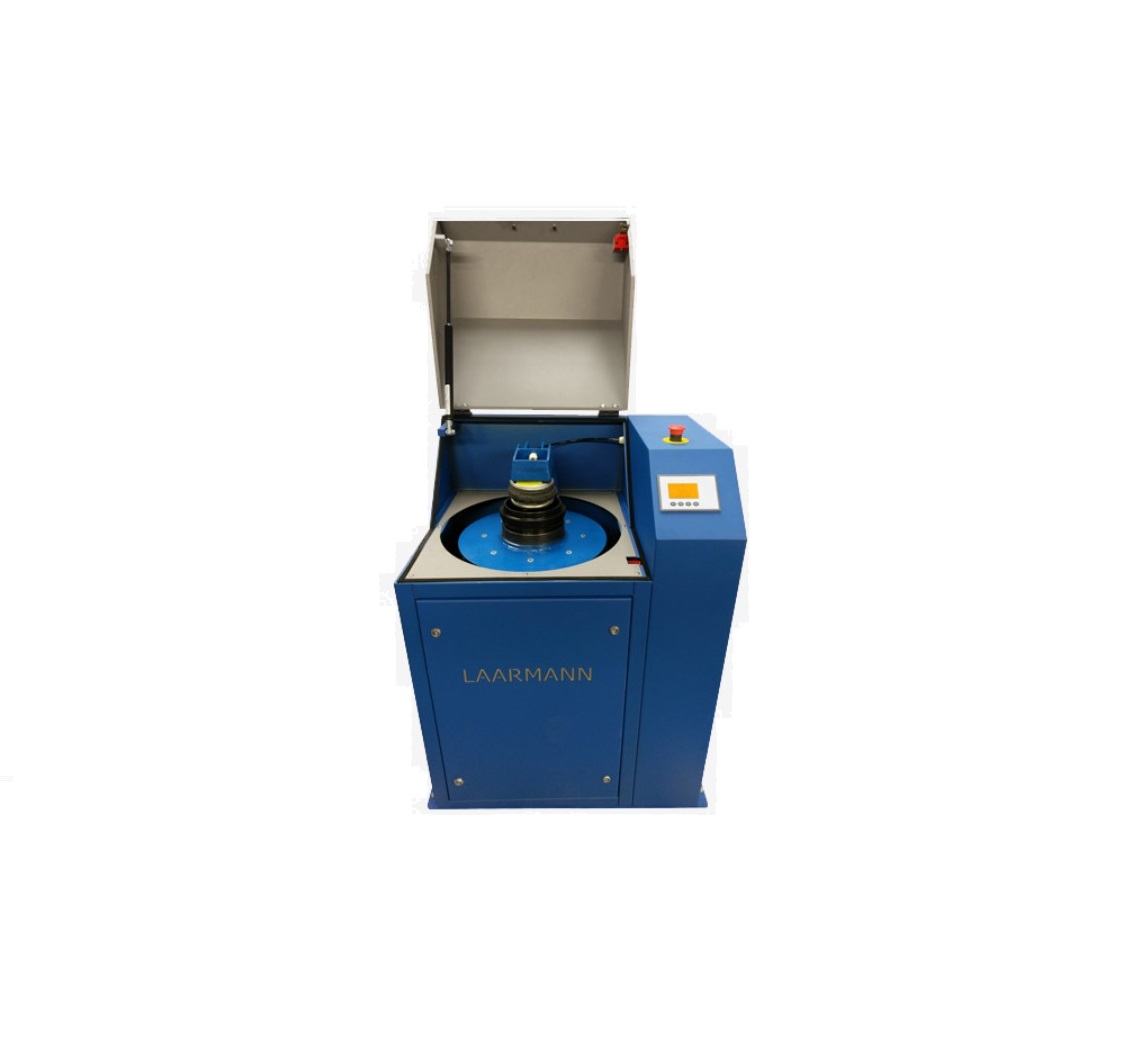
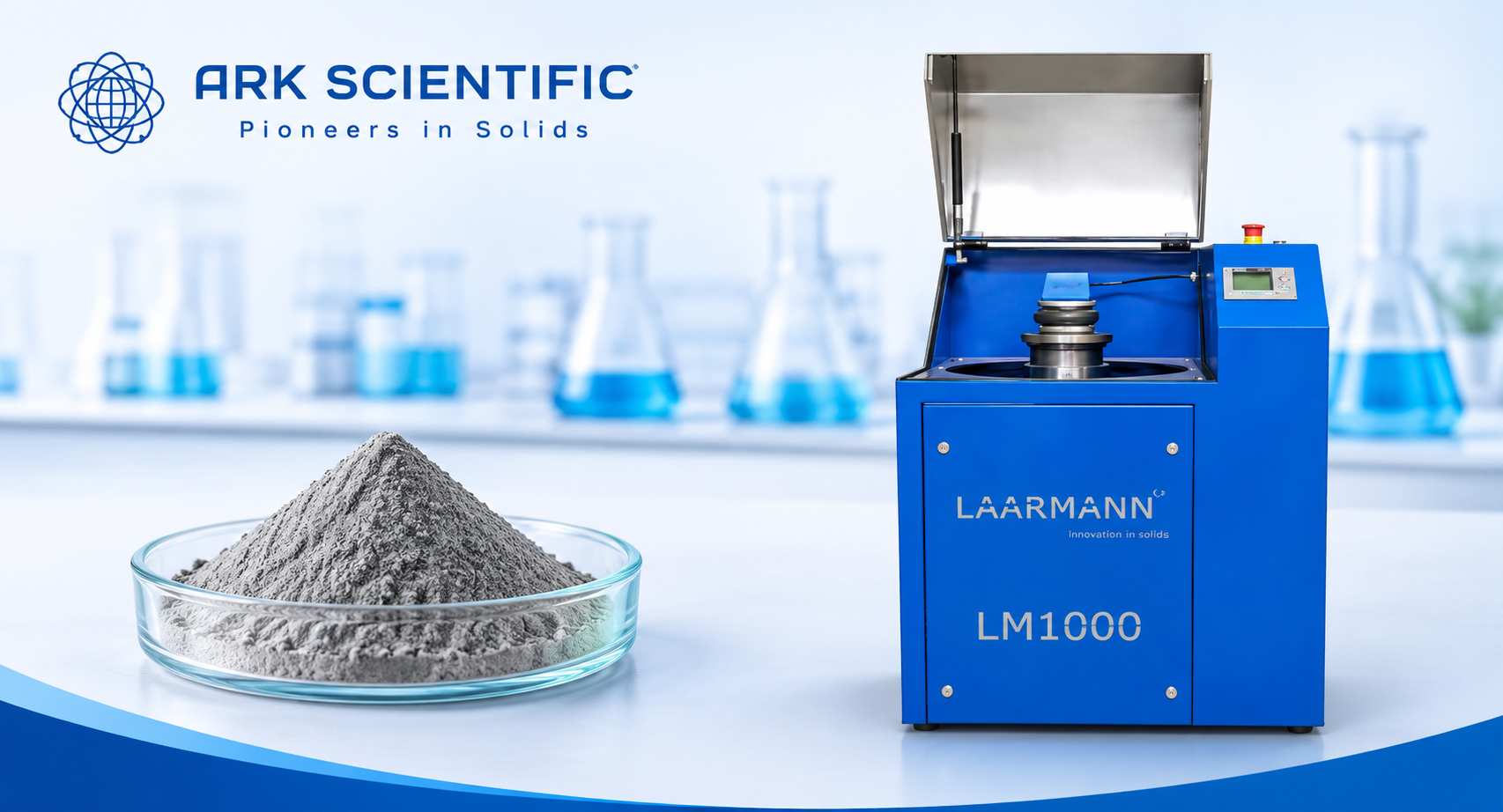
Ark Scientific offers the LM1000 Pulveriser Ring Mill, designed for efficient fine grinding and sample homogenisation. It uses advanced grinding technology to prepare samples for analytical testing, helping laboratories achieve reliable and repeatable results.
Working Principle of a Laboratory Pulveriser Ring Mill
The Laboratory Pulveriser Ring Mill operates using a combination of high pressure, impact, friction, and three-dimensional vibrations. During operation, the sample is placed inside a grinding bowl along with a grinding disc or a set of rings and rollers.
When the machine starts, the grinding components generate powerful vibrations inside the bowl. These movements apply pressure and impact forces to the material, gradually reducing it into fine particles. At the same time, the grinding action helps homogenise the sample, making it suitable for further laboratory analysis.
Depending on the material characteristics and operating settings, samples can typically reach 90–95% below 75 microns in approximately three minutes.
Key Features of the LM1000 Pulveriser Ring Mill
The LM1000 Pulveriser Ring Mill is designed to support demanding laboratory sample preparation requirements. Its important features include:
1. High Grinding Efficiency: The machine provides rapid grinding performance for hard, brittle, and fibrous materials, helping reduce sample preparation time.
2. Programmable Touchscreen Control: The programmable control system allows operators to manage grinding time, intervals, and rotation settings according to sample requirements.
3. Powerful Motor: It is equipped with a 1.5 kW three-phase motor operating at 1450 rpm to support efficient grinding performance.
4. Safety Mechanisms: Pneumatic bowl lid clamping, a cabinet safety switch, an integrated emergency stop button, and motor overload protection support safe operation.
5. Adjustable Grinding Media: Different grinding bowl and media materials are available to suit various sample types and minimise contamination risks.
6. Easy Maintenance: The cabinet includes a dust collection drawer and can be separated from the vibrating unit for convenient servicing.
Applications of Laboratory Pulveriser Ring Mill
A Laboratory Pulveriser Ring Mill is widely used in industries where accurate and consistent sample preparation is important.
- Minerals, Ores and Slags: Used for preparing mineral samples for chemical composition analysis and quality testing.
- Cement and Concrete: Suitable for grinding cement, cement clinker, and concrete samples for laboratory evaluation.
- Mining and Metallurgy: Helps prepare geological samples, drill cores, and ores for analytical testing.
- Coal and Coke: Supports fine grinding of coal and coke samples for laboratory analysis.
- Glass and Ceramics: Used for reducing brittle materials into fine particles for research and testing.
Technical Specifications of LM1000
The LM1000 is designed to handle laboratory grinding requirements with flexible sample processing capacity.
- Model: LM1000
- Material Feed Size: 20 mm or lower
- End Fineness: 75 µm or lower
- Grinding Media Volume: 20 cc–1000 cc
- Motor Power: 1.5 kW (3-phase)
- Operating Speed: 1450 rpm
- Control System: Programmable touchscreen
- Dimensions: 550 × 602 × 1032 mm
- Weight: 330 kg
The achievable grinding fineness depends on the feed material, grinding media, and machine configuration.
Grinding Media Options
Selecting suitable grinding media is important for achieving the required grinding results while controlling sample contamination. The LM1000 range supports different bowl, ring, and roller materials, including chrome steel, hardened steel, tungsten carbide, silicon nitride, zirconium oxide, agate, and polyurethane-coated options.
These choices allow laboratories to select suitable grinding components according to sample properties and analytical requirements.
Conclusion
The Laboratory Pulveriser Ring Mill plays an important role in modern laboratory sample preparation. With its high grinding efficiency, programmable controls, safety features, and flexible grinding media options, the LM1000 Pulveriser Ring Mill provides an effective solution for fine grinding applications.
Ark Scientific offers laboratory equipment designed to support sample preparation and material testing requirements across different industries. The LM1000 is a suitable choice for laboratories looking for reliable and efficient grinding performance for minerals, ores, cement, coal, glass, and other materials.