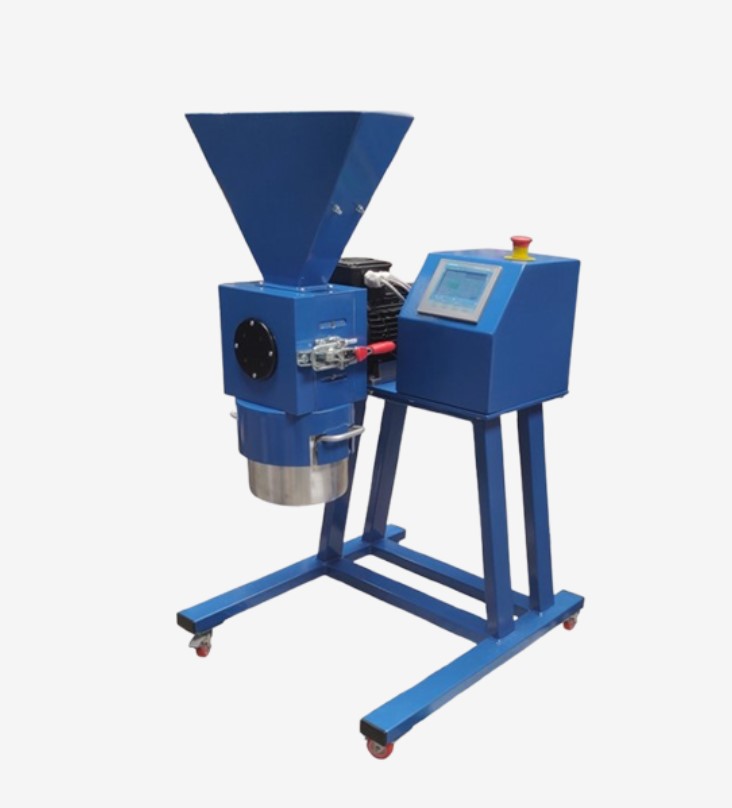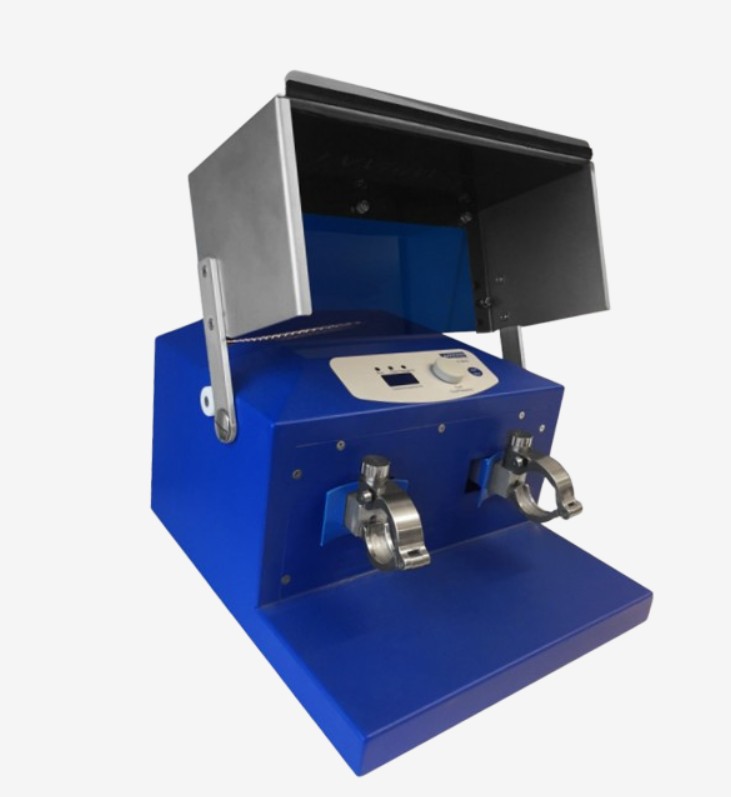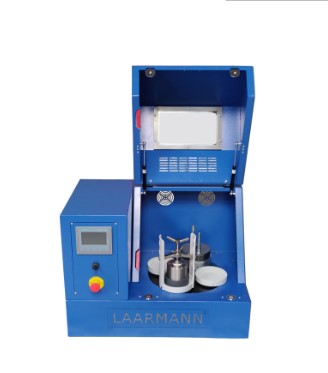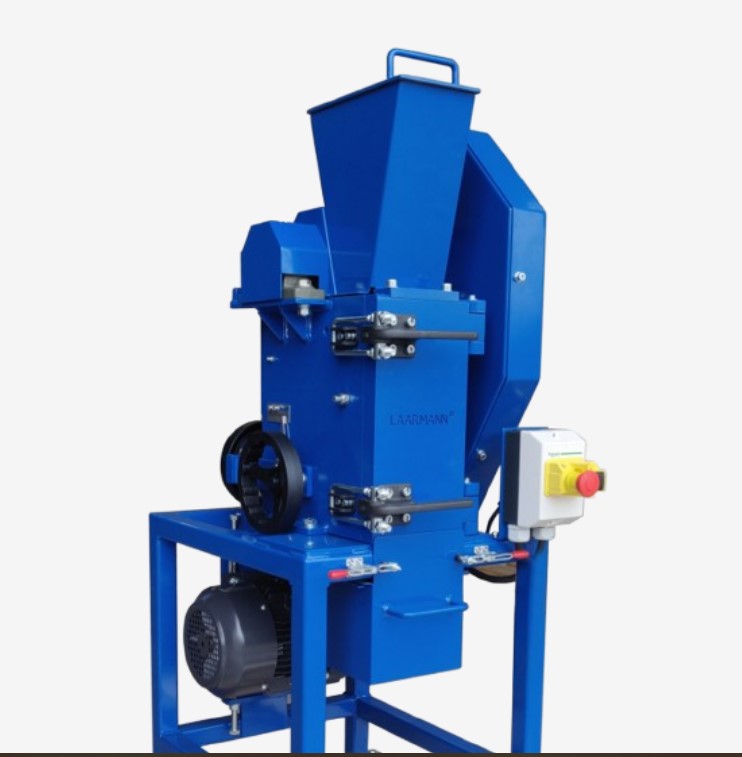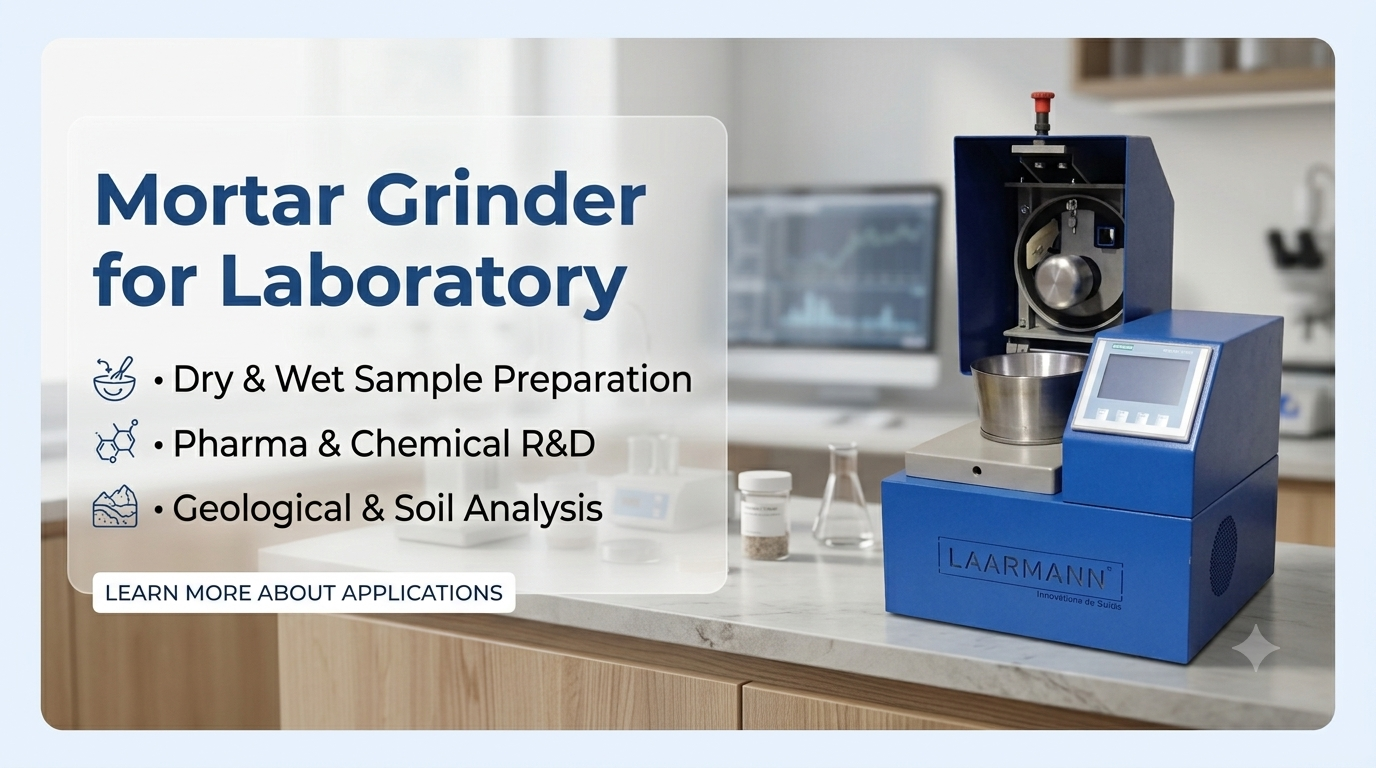
Choosing the right Laboratory Mortar Grinder is important when consistent grinding, homogenization, mixing, and sample preparation are required. Different laboratories work with different materials, sample quantities, moisture levels, and particle-size requirements. Therefore, selecting a mortar grinder based on your actual application can help improve sample preparation efficiency and reproducibility.
The LM-MG100 Mortar Grinder from ARK Scientific is designed for grinding, homogenizing, and mixing a wide range of materials in dry, wet, or cryogenic conditions. It can process sample quantities from approximately 10 ml to 200 ml, making it suitable for various laboratory sample preparation requirements.
1. Consider the Type of Material You Need to Process
The first step is to understand the characteristics of your sample. Laboratories may process solid materials, powders, suspensions, pastes, creams, or other substances with different viscosities.
A suitable Laboratory Mortar Grinder should be capable of handling the material without affecting the required sample characteristics. The LM-MG100 can be used for dry, wet, and cryogenic grinding depending on the material and configuration. It is also suitable for homogenizing creams, pastes, and suspensions.
2. Check the Required Sample Quantity
Sample volume is another important factor when selecting a mortar grinder. A machine that is too small may not meet your laboratory requirements, while an unnecessarily large system may occupy more space and increase operating costs.
The LM-MG100 supports sample quantities from approximately 10 ml to 200 ml, depending on the material characteristics. This range makes it useful for laboratories performing small- to medium-volume sample preparation.
3. Look at the Required Final Fineness
Before purchasing a mortar grinder, determine the particle size required for your analysis or testing process. Different applications may require coarse grinding, fine grinding, homogenization, or a combination of these processes.
According to ARK Scientific, the LM-MG100 can typically process samples with a feed size of up to 8–10 mm and achieve a final fineness of approximately 10–20 μm, depending on the sample and instrument settings.
4. Choose Adjustable Grinding Parameters
Control over grinding conditions is important for achieving reproducible results. Look for features such as adjustable speed, pressure, pestle position, and scraper settings.
The LM-MG100 incorporates adjustable top pressure, pestle adjustment, scraper adjustment, and variable speed control. Its speed setting is listed at 50–130 rpm, while the technical data also specifies an adjustable motor speed range depending on configuration. These controls allow the grinding process to be adapted to different sample characteristics.
5. Consider Grinding Methods and Applications
A versatile mortar grinder can be useful when your laboratory handles different types of sample preparation. Depending on the application, you may require dry grinding, wet grinding, mixing, homogenization, or fine grinding.
The LM-MG100 is designed for grinding, homogenizing, triturating, and mixing. It can also be used for analytical and quality-control sample preparation and for processing materials such as creams, pastes, and suspensions.
6. Check Cleaning and Maintenance Requirements
Cleaning is especially important when the same equipment is used for multiple samples. Residual material can cause cross-contamination and affect subsequent tests.
The LM-MG100 is designed for easy cleaning, with the mortar and pestle removable through a bayonet-lock system. The product page also notes that adjustments and cleaning can be performed without tools.
7. Consider Grinding Tool Materials
The mortar and pestle material should match the application and sample characteristics. ARK Scientific's LM-MG100 supports different grinding-tool options, including materials such as stainless steel, tungsten carbide, agate, and sintered alumina, depending on the application.
Conclusion
Selecting the right Laboratory Mortar Grinder starts with understanding your sample type, required quantity, desired final fineness, grinding method, and level of process control. Features such as adjustable speed and pressure, suitable grinding-tool materials, flexible applications, and easy cleaning can make a significant difference in laboratory sample preparation.
The LM-MG100 Mortar Grinder is designed for laboratories that require reproducible grinding, homogenization, and mixing across a range of dry, wet, and other sample preparation applications. For specific materials, ARK Scientific also provides sample testing to help determine whether the equipment is suitable for a particular application.