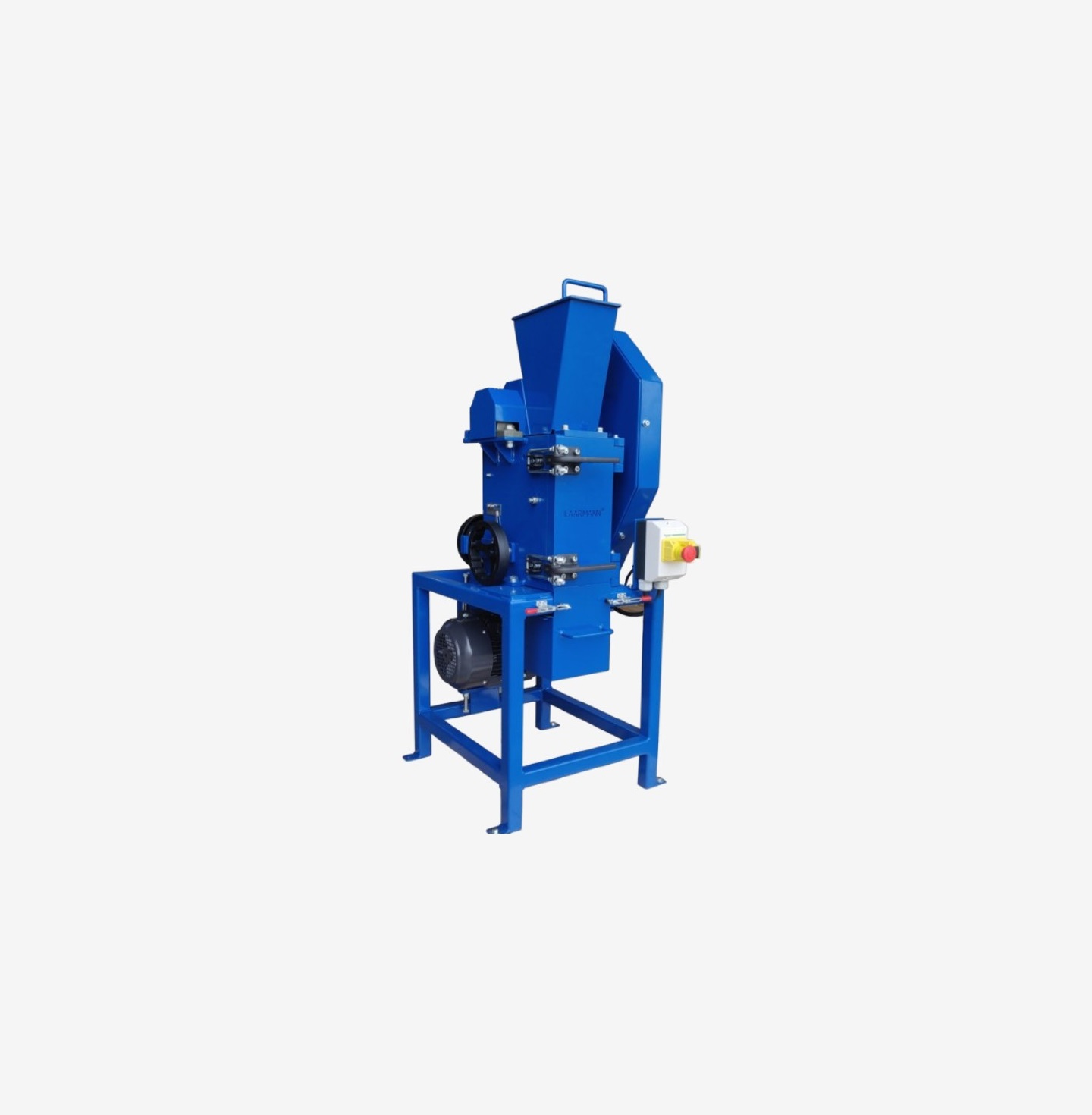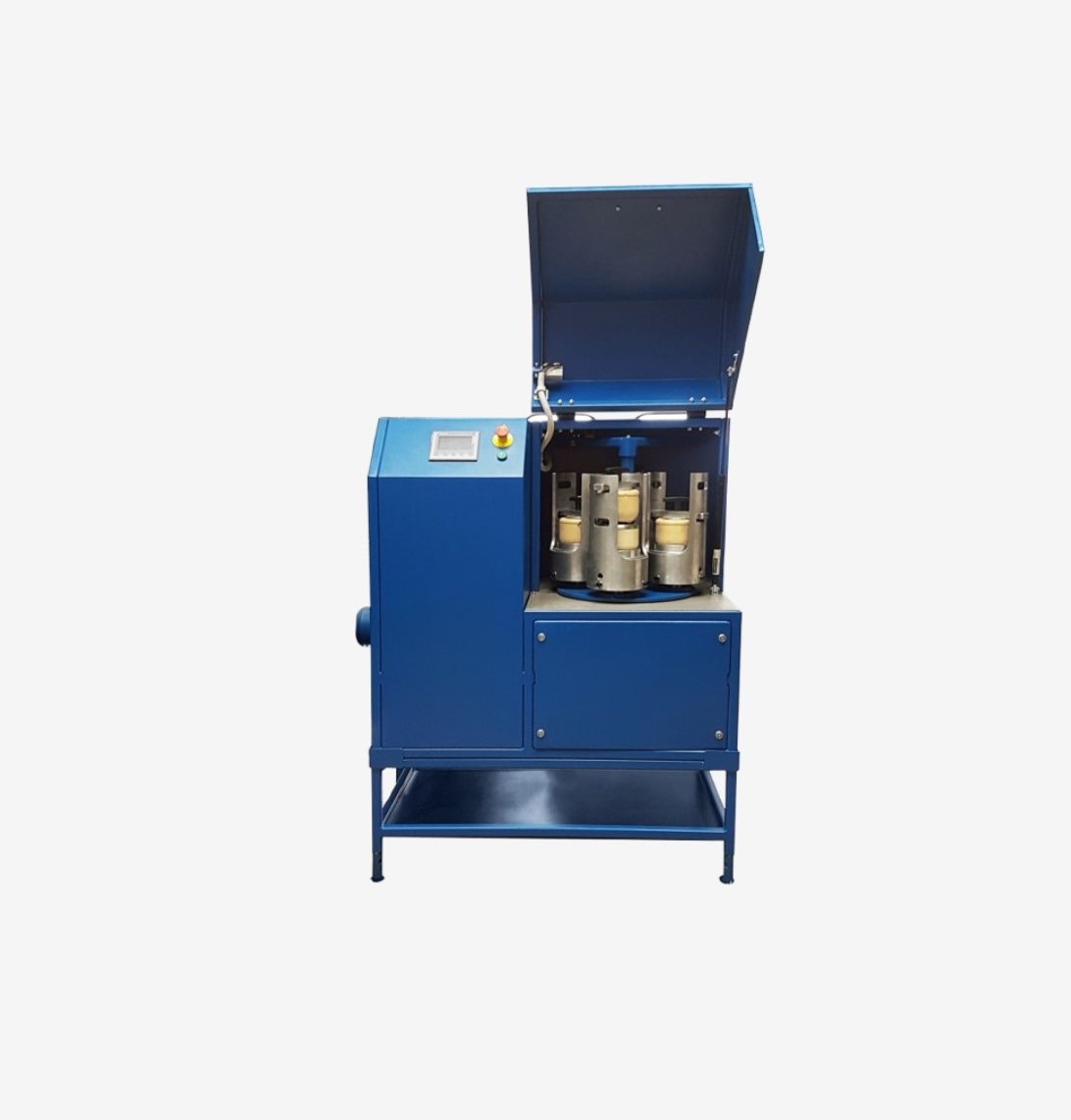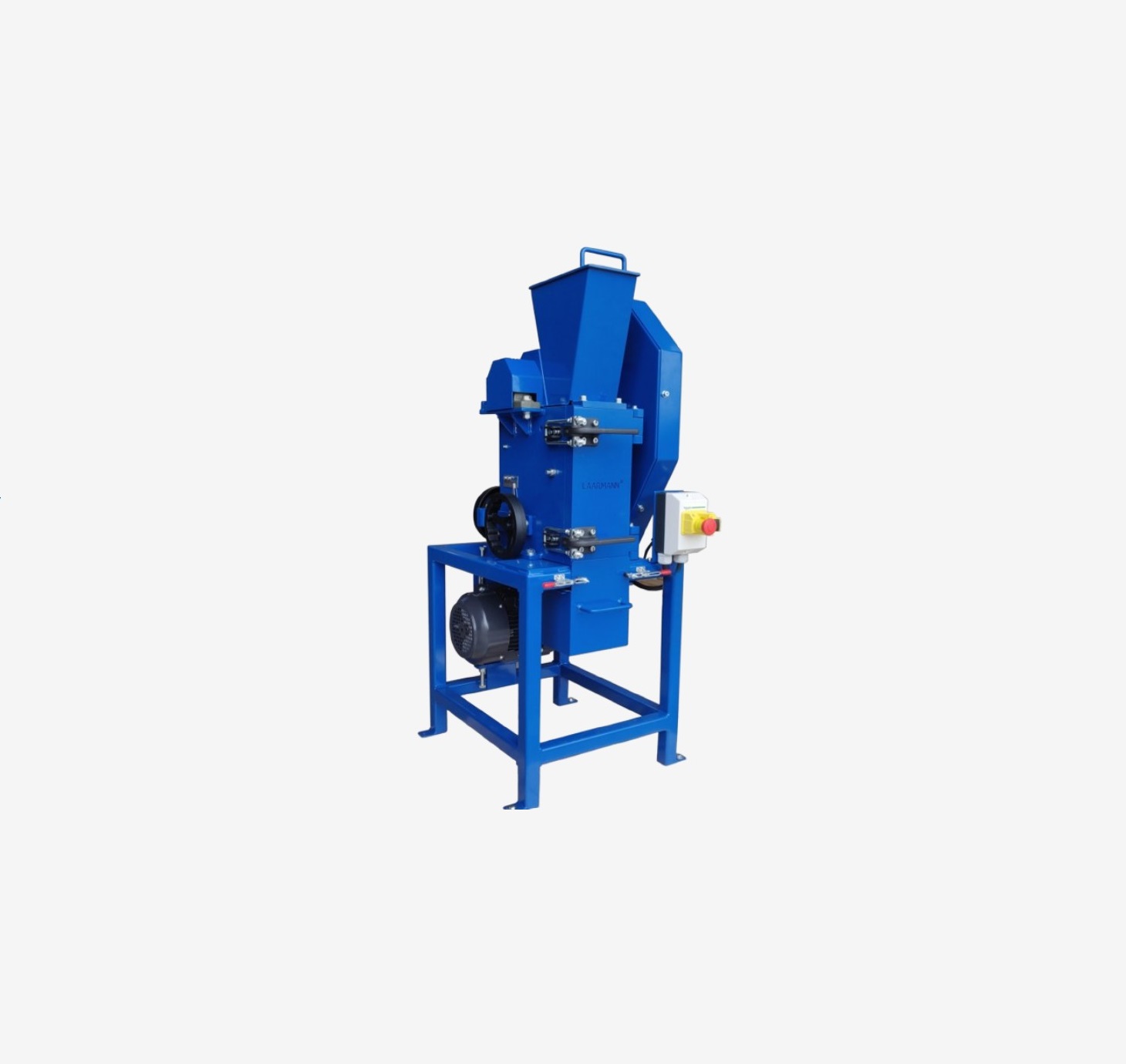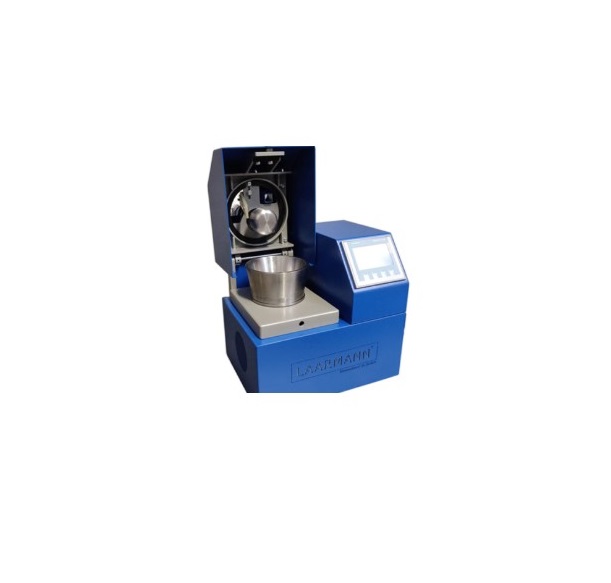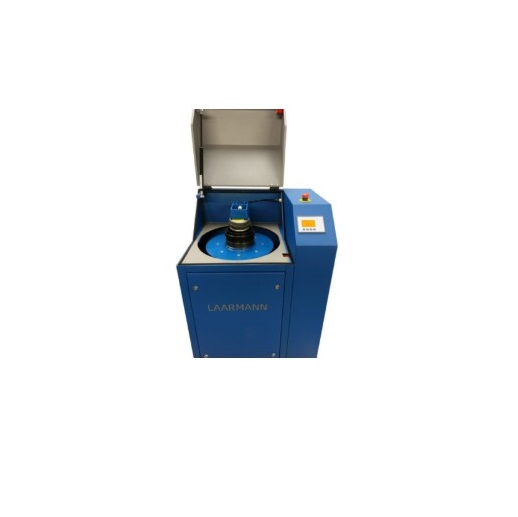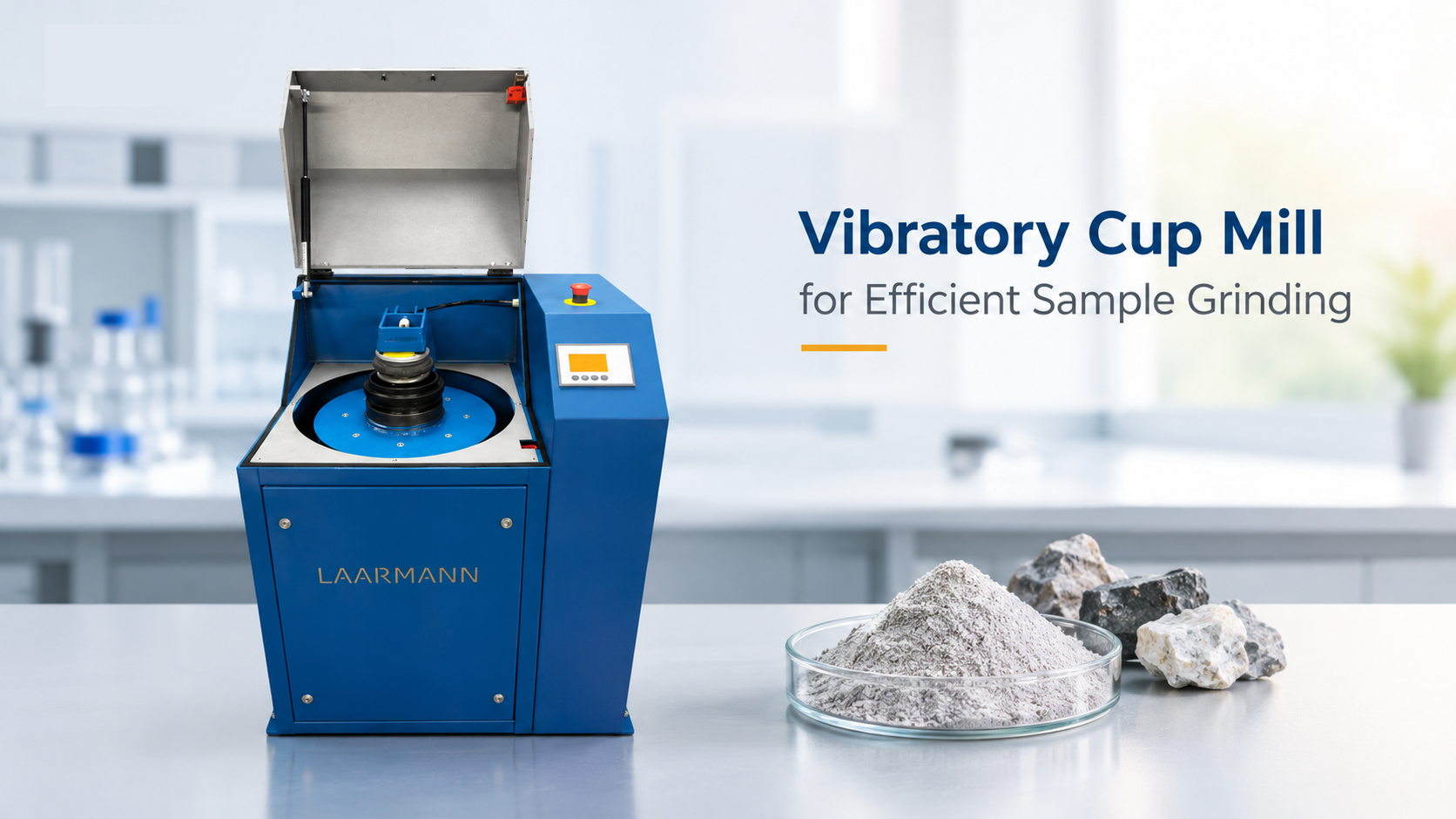
Accurate sample preparation is essential for laboratory testing, material analysis, and quality control. Before materials can be analysed, they often need to be reduced to fine, uniform particles. A Vibratory Cup Mill is an effective laboratory grinding machine designed to pulverize hard, brittle, and fibrous materials into fine powders suitable for analytical applications. Ark Scientific provides laboratory sample preparation solutions to support efficient grinding across various industries.
Importance of Efficient Sample Grinding
Sample grinding plays a vital role in obtaining reliable laboratory results. Materials with large or uneven particles may affect the accuracy and consistency of analytical testing. Efficient grinding helps prepare representative samples with a suitable particle size for further analysis.
In industries such as mining, metallurgy, cement, and chemical research, properly prepared samples are essential for evaluating material composition and quality. A suitable grinding machine helps laboratories reduce manual preparation efforts, improve workflow efficiency, and maintain consistent sample preparation practices.
Working Principle of a Vibratory Cup Mill
The working principle of a Vibratory Cup Mill is based on mechanical vibration and the grinding action of components inside a grinding cup. First, the prepared sample is placed into the grinding container with the appropriate grinding set. The container is then securely positioned in the machine.
When the mill starts, high-frequency vibrations cause the grinding components to move rapidly inside the cup. The resulting impact, compression, and friction forces gradually break down the material into finer particles. Grinding duration and operating parameters can be selected according to the sample characteristics and required fineness.
After grinding is complete, the powdered sample is collected for further laboratory analysis. Proper cleaning between samples helps minimize cross-contamination and supports dependable testing results.
Applications of Vibratory Cup Mills
Vibratory Cup Mills are used in laboratories and industrial facilities where consistent sample preparation is important. Common applications include:
- Mining and mineral processing: Preparing mineral ores and geological samples for elemental analysis.
- Metallurgy: Grinding suitable metal-containing and alloy samples for laboratory testing.
- Cement and construction materials: Preparing raw materials and clinker samples for material characterization.
- Chemical laboratories: Processing solid samples for chemical analysis and research.
- Research and development: Supporting experiments that require finely ground and representative samples.
- Quality control laboratories: Preparing samples for routine testing and product quality assessment.
The appropriate grinding setup depends on material hardness, composition, and analytical requirements.
Key Benefits of a Vibratory Cup Mill
A Vibratory Cup Mill offers several advantages for laboratory sample preparation.
Efficient grinding: Vibratory action supports rapid particle-size reduction, helping laboratories prepare samples efficiently.
Fine powder production: The grinding process helps produce finely powdered samples for suitable analytical applications.
Consistent sample preparation: Appropriate grinding components and controlled operating conditions help improve repeatability between samples.
Versatile material processing: Suitable configurations can process a range of hard, brittle, and fibrous materials.
Improved laboratory workflow: Efficient grinding helps reduce manual preparation efforts and supports smoother testing operations.
Vibratory Cup Mill Models from Ark Scientific
Ark Scientific features several models in its Vibratory Cup Mills range, including the LM250, LM1000, LM2000, and LM5000 Pulveriser Ring Mills. These models provide options for laboratories to evaluate according to sample quantity, material properties, throughput requirements, and intended applications.
When selecting a model, laboratories should consider sample size, required fineness, grinding vessel compatibility, and the frequency of use. Reviewing the technical specifications and discussing application requirements with the supplier can help identify the appropriate equipment.
How to Choose the Right Vibratory Cup Mill
Before purchasing a Vibratory Cup Mill, consider the hardness and nature of the sample, the quantity processed per batch, the required particle size, and the compatibility of the grinding components with the material. Laboratories should also evaluate ease of operation, cleaning requirements, maintenance, and technical support.
Selecting equipment that matches the intended application helps improve sample preparation efficiency and supports reliable laboratory workflows.
Conclusion
A Vibratory Cup Mill is an important tool for laboratories requiring efficient grinding and reliable sample preparation. From mineral testing to industrial quality control, it helps transform suitable solid materials into fine powders for further analysis. Ark Scientific offers Vibratory Cup Mill solutions, including multiple Pulveriser Ring Mill models, to support different laboratory grinding requirements.