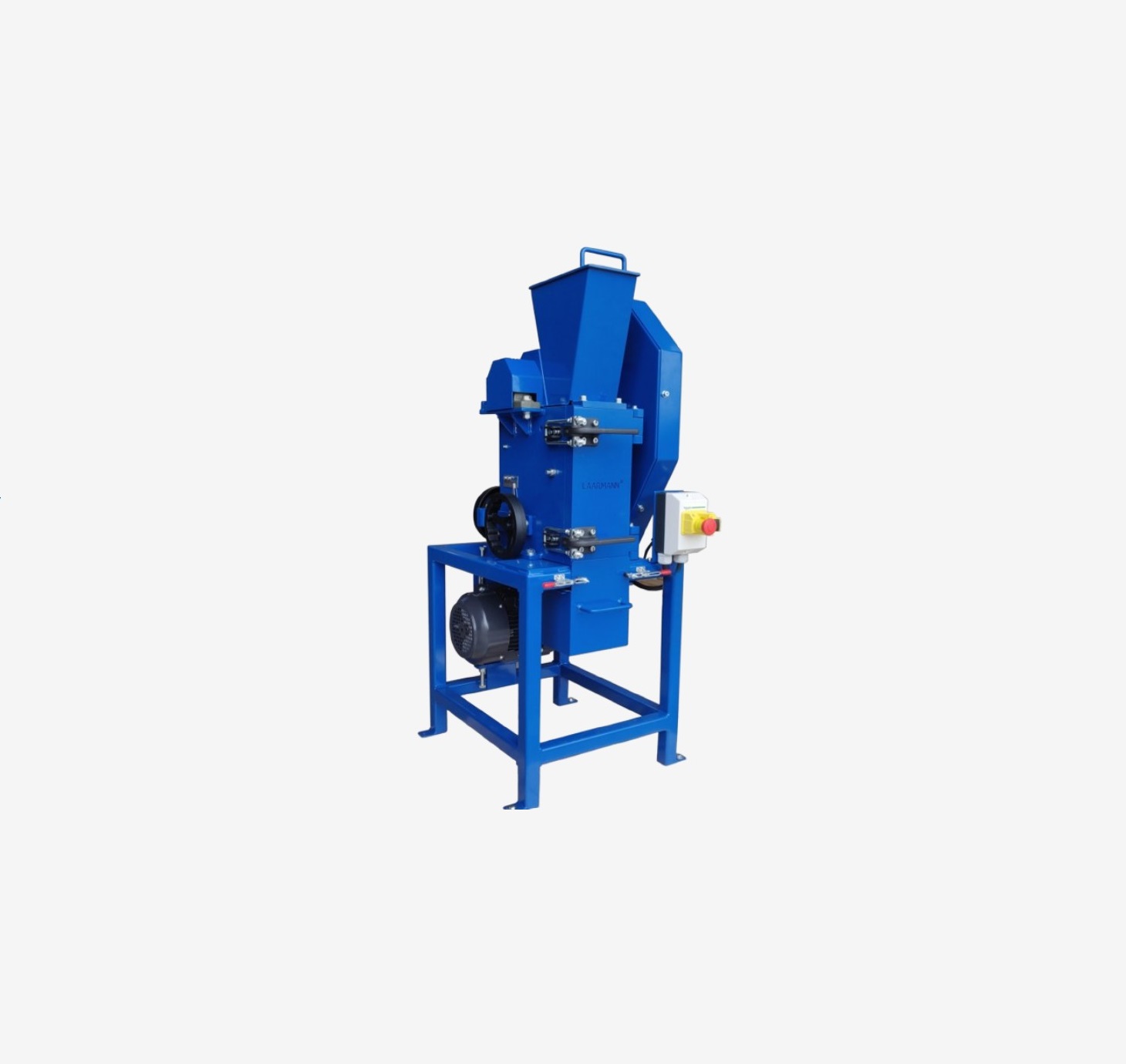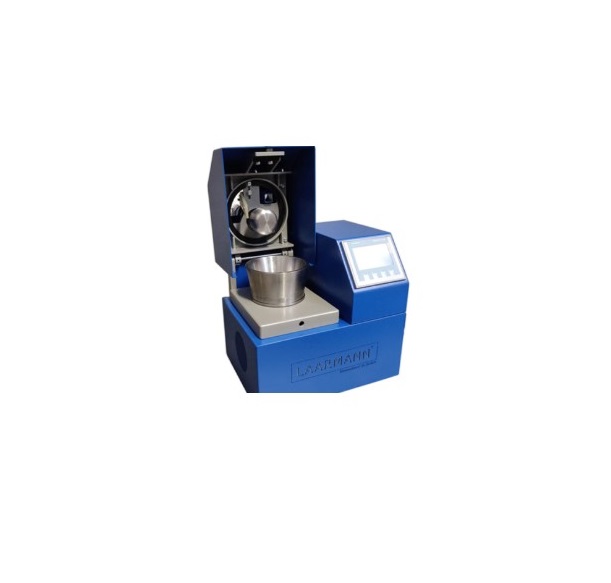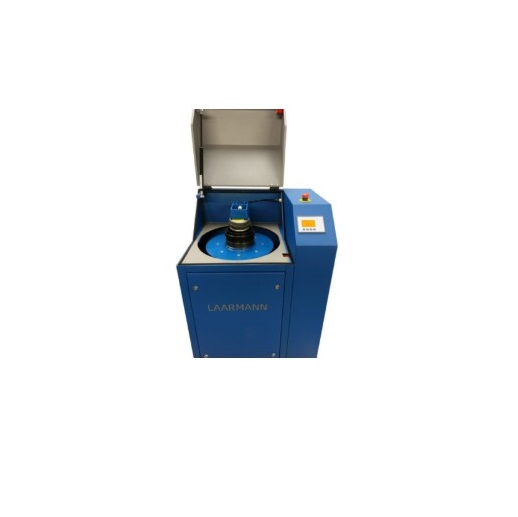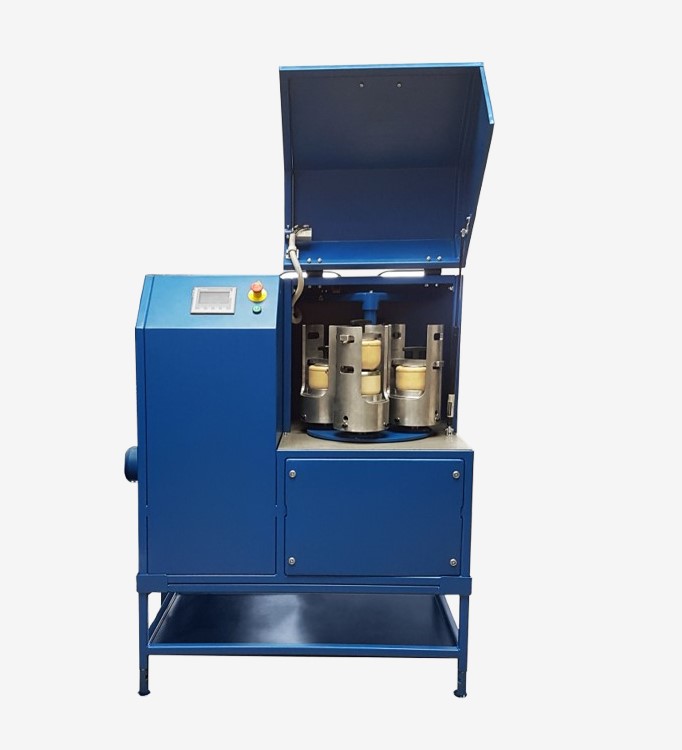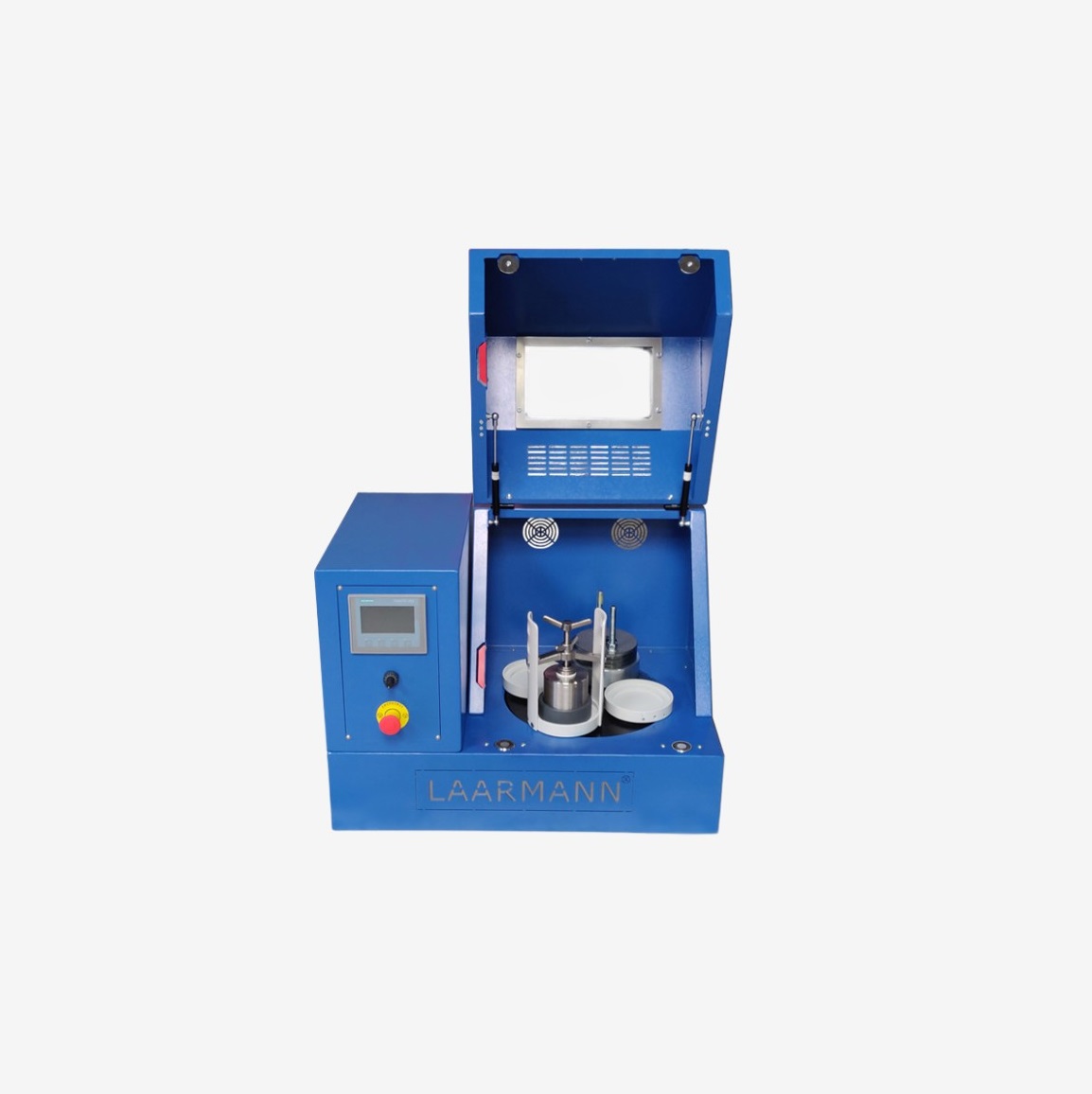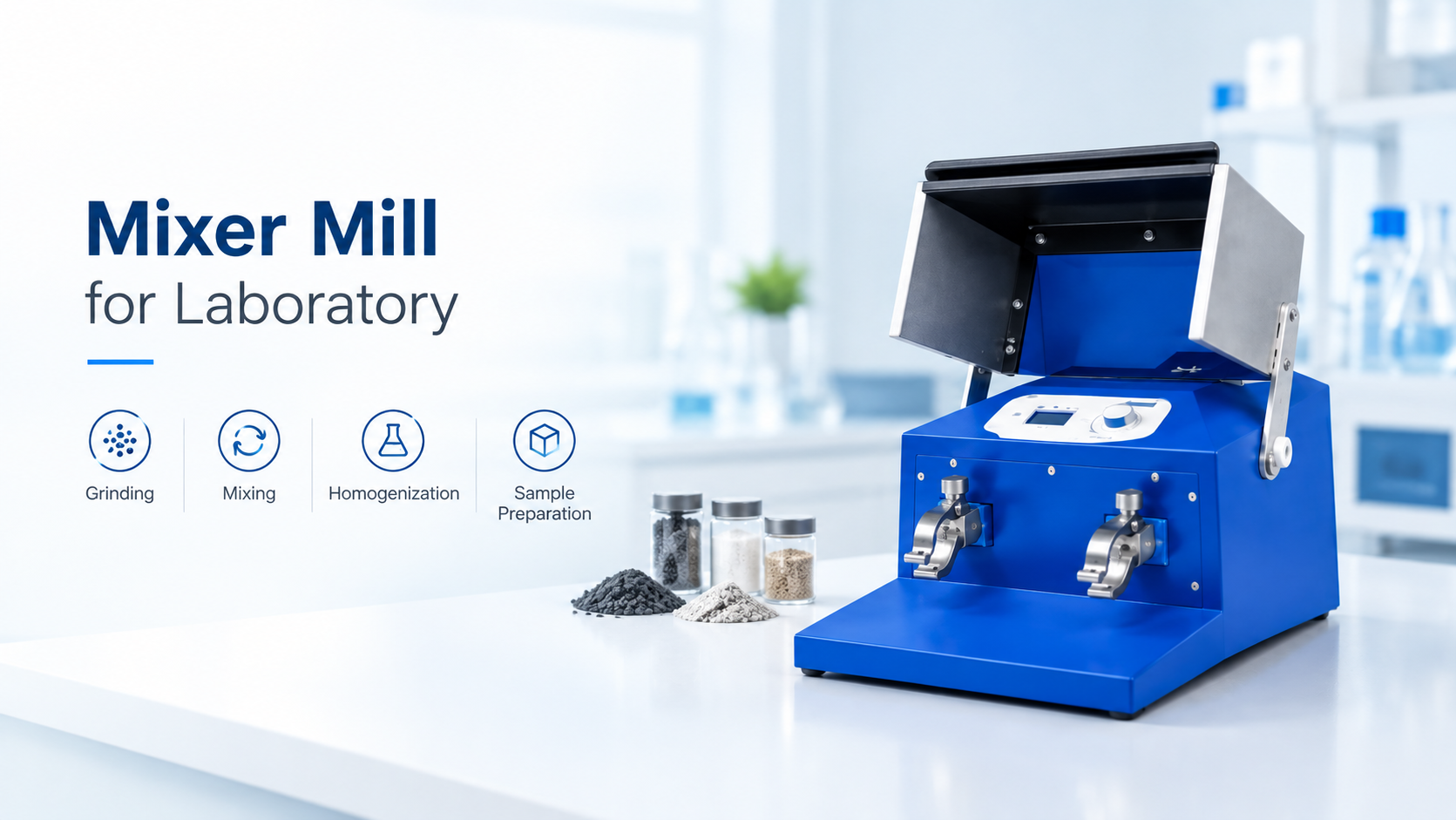
Laboratory Mixer Mills are essential equipment for laboratories that require efficient grinding, mixing, homogenization, and sample preparation. These machines are widely used in material research, pharmaceutical laboratories, chemical analysis, geological testing, and quality control applications. Choosing reliable Laboratory Mixer Mill Manufacturers and Suppliers in India helps laboratories find suitable equipment for their specific sample processing requirements.
Ark Scientific offers laboratory sample preparation equipment, including the LAARMANN® Laboratory Mixer Mill, designed to support a wide range of laboratory applications. With flexible grinding configurations, specialized accessories, and digitally adjustable operating parameters, the equipment helps laboratories achieve consistent and efficient sample preparation.
What Is a Laboratory Mixer Mill?
A Laboratory Mixer Mill is a high-energy grinding and mixing machine used to reduce particle size, homogenize samples, and process different materials in small quantities. It works through the rapid movement of grinding jars and grinding media, creating impact and friction that break down materials.
Depending on the application and configuration, a Laboratory Mixer Mill can process hard, brittle, soft, and elastic materials. It can also support specialized processes such as cryogenic grinding, mechanical alloying, liquid dispersion, and biological cell disruption.
For research and testing laboratories, this versatility makes the Mixer Mill a practical solution for preparing samples before further analysis.
Working Principle of a Laboratory Mixer Mill
The working principle of a Laboratory Mixer Mill is based on high-energy vibration and the movement of grinding balls inside a grinding jar. The sample is placed in a suitable jar with the selected grinding media. When the machine operates, repeated impacts and friction help reduce particle size and improve sample homogeneity.
The basic operating process includes:
- Sample preparation: Place the material in a compatible grinding jar.
- Grinding media selection: Choose suitable balls and jar materials according to the sample.
- Parameter adjustment: Set the required vibration frequency and processing time.
- Grinding and homogenization: Operate the machine to achieve the desired processing result.
- Sample collection: Remove the processed material for testing or further analysis.
The appropriate settings depend on material properties, sample quantity, target particle size, and the selected accessories.
Key Features of a Laboratory Mixer Mill
When comparing Laboratory Mixer Mill manufacturers and suppliers in India, it is important to evaluate the equipment's performance, safety features, flexibility, and suitability for your application.
The LAARMANN® Laboratory Mixer Mill available through Ark Scientific offers several useful features:
- Multiple grinding methods: Supports dry, wet, ultra-fine, and cryogenic grinding with appropriate configurations.
- Rapid sample processing: Some applications may achieve processing times of approximately 30 seconds, depending on the material and settings.
- Digital parameter control: Adjustable vibration frequency from 3 to 30 Hz in 0.1 Hz increments.
- Flexible sample handling: Supports different sample volumes and configurations, including small micro-vials and larger grinding jars.
- Safety-oriented operation: Includes a safety cover, motor brake, and Easy Clamp system.
- Multiple accessories: Compatible configurations support grinding, blending, dispersion, and cell disruption.
These features make the equipment suitable for laboratories handling different sample types and analytical workflows.
Applications of Laboratory Mixer Mill
A Laboratory Mixer Mill can support a variety of sample preparation and material processing applications.
1. Pharmaceutical Laboratories
Pharmaceutical laboratories use grinding and homogenization to prepare suitable samples for research, formulation development, and analytical testing.
2. Chemical Analysis
The equipment helps laboratories reduce particle size and homogenize solid samples before chemical analysis and material characterization.
3. Material Science and Research
Researchers can use Mixer Mills to process selected materials such as glass, minerals, soil, paper, polymers, and other laboratory samples.
4. XRF Sample Preparation
Grinding and mixing help prepare representative samples for X-ray fluorescence (XRF) analysis, subject to the requirements of the analytical method.
5. Biological Sample Preparation
With suitable micro-vial holders and grinding media, the equipment can disrupt biological samples such as plant tissues, animal tissues, and microorganisms. These processes may support workflows involving DNA and RNA extraction.
6. Cryogenic Grinding
Temperature-sensitive or elastic materials, including rubber and certain plastics, may be processed using suitable cryogenic accessories and cooling procedures.
How to Choose the Right Laboratory Mixer Mill Supplier in India
Selecting the right supplier involves more than comparing prices. Laboratories should consider the following factors before making a purchase:
- Application requirements: Identify whether the machine will be used for grinding, blending, cell disruption, or other processes.
- Sample characteristics: Consider hardness, elasticity, moisture content, and temperature sensitivity.
- Grinding jars and accessories: Confirm that suitable jar materials, sizes, and grinding media are available.
- Operating controls: Look for adjustable parameters that support repeatable processing.
- Safety features: Check the machine's cover, clamping mechanism, and operating safeguards.
- Technical assistance: Choose a supplier who can help identify a suitable configuration for your application.
Whenever possible, sample testing before purchase can help determine whether the selected equipment meets the required processing objectives.
Why Choose Ark Scientific for Laboratory Mixer Mill Solutions?
Ark Scientific provides laboratory equipment solutions for sample preparation and material testing applications. Its product portfolio includes the LAARMANN® Laboratory Mixer Mill, which is designed for versatile grinding, blending, and sample processing.
The equipment supports different grinding jars and accessories, digital operating controls, and specialized configurations for applications such as cryogenic grinding and biological cell disruption.
Ark Scientific's product page also offers the option to submit samples for pre-purchase test grinding. This can help laboratories evaluate equipment suitability before selecting a configuration.
To explore the available features and technical specifications, visit the Laboratory Mixer Mill
Conclusion
Finding reliable Laboratory Mixer Mill Manufacturers and Suppliers in India is important for laboratories seeking efficient, consistent, and application-specific sample preparation equipment. A suitable Mixer Mill can support grinding, homogenization, blending, dispersion, cryogenic processing, and biological cell disruption with the appropriate configuration.
Ark Scientific offers the LAARMANN® Laboratory Mixer Mill for laboratories requiring versatile sample preparation capabilities. Before selecting a model, consider your sample characteristics, processing requirements, target particle size, and accessory needs.