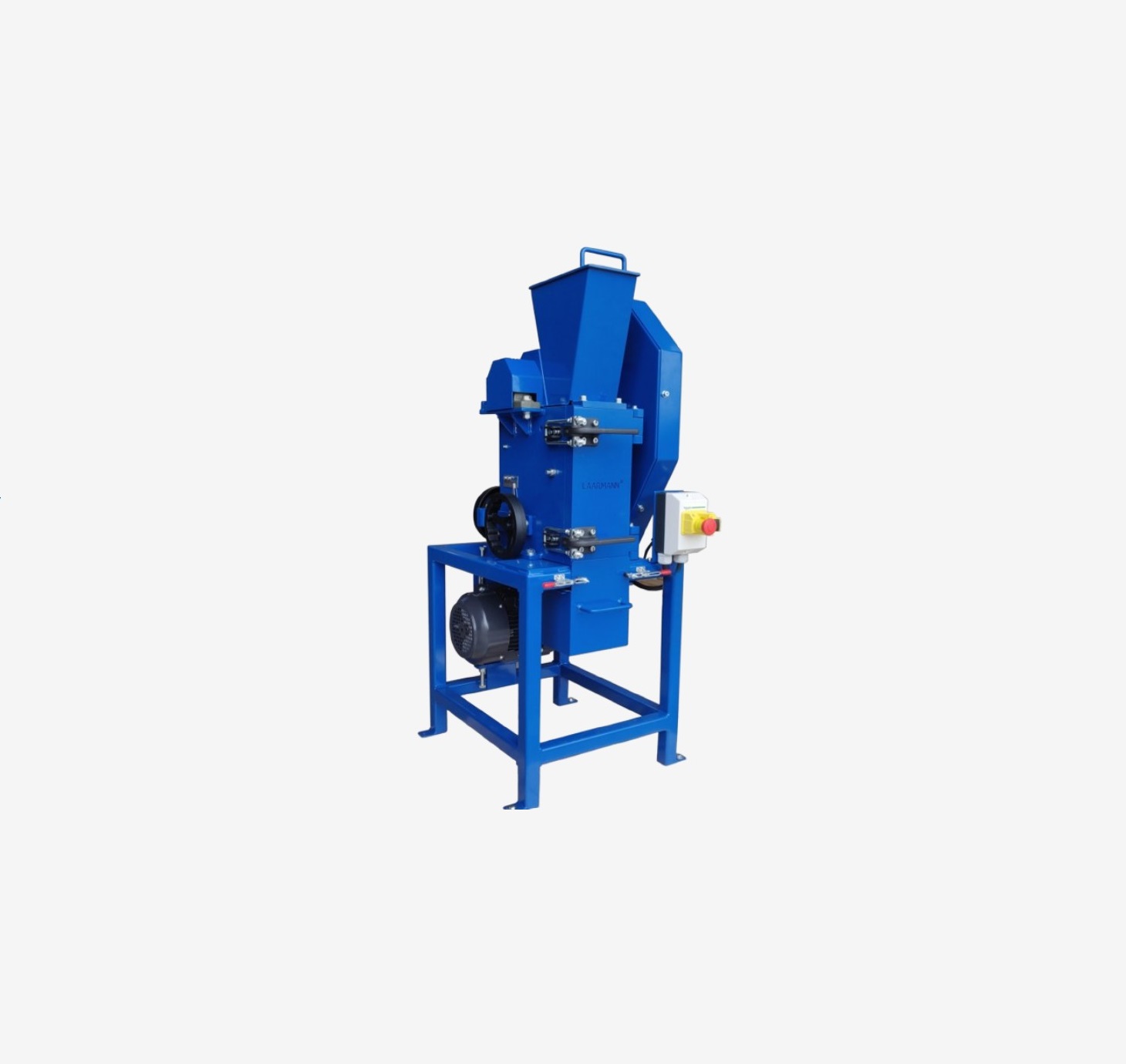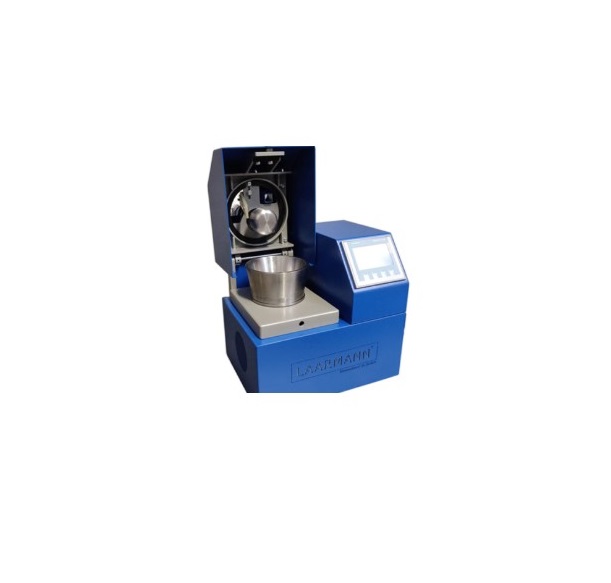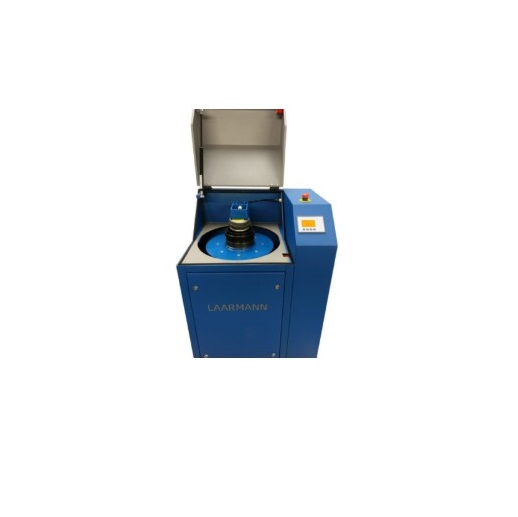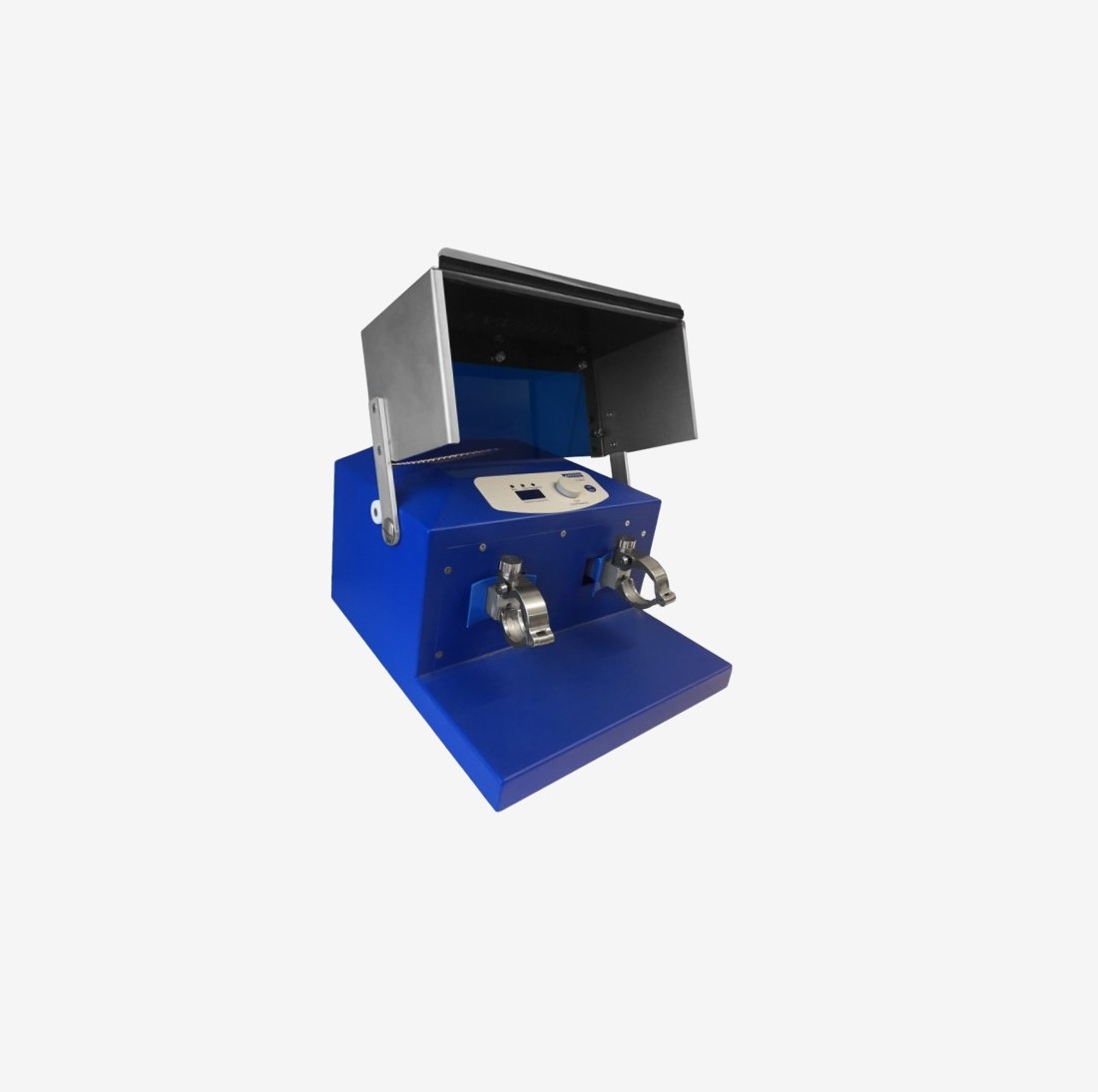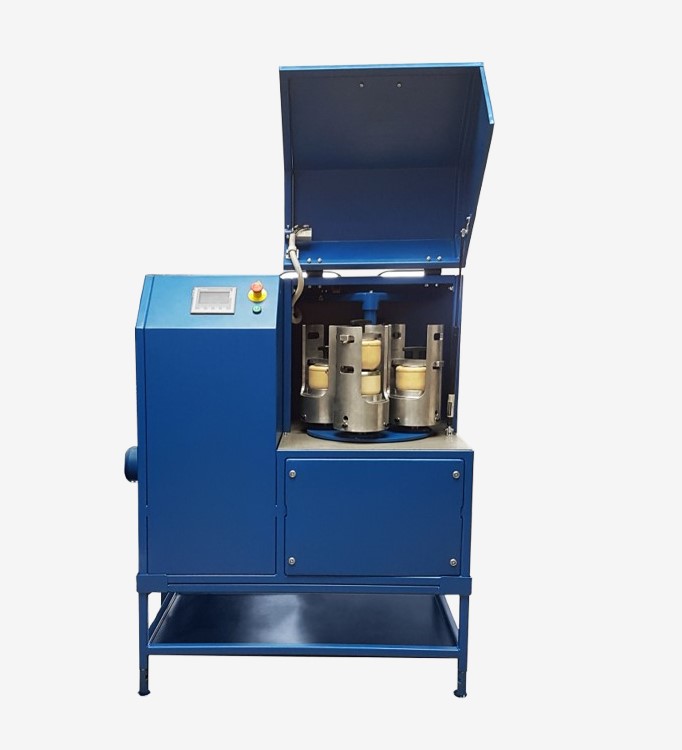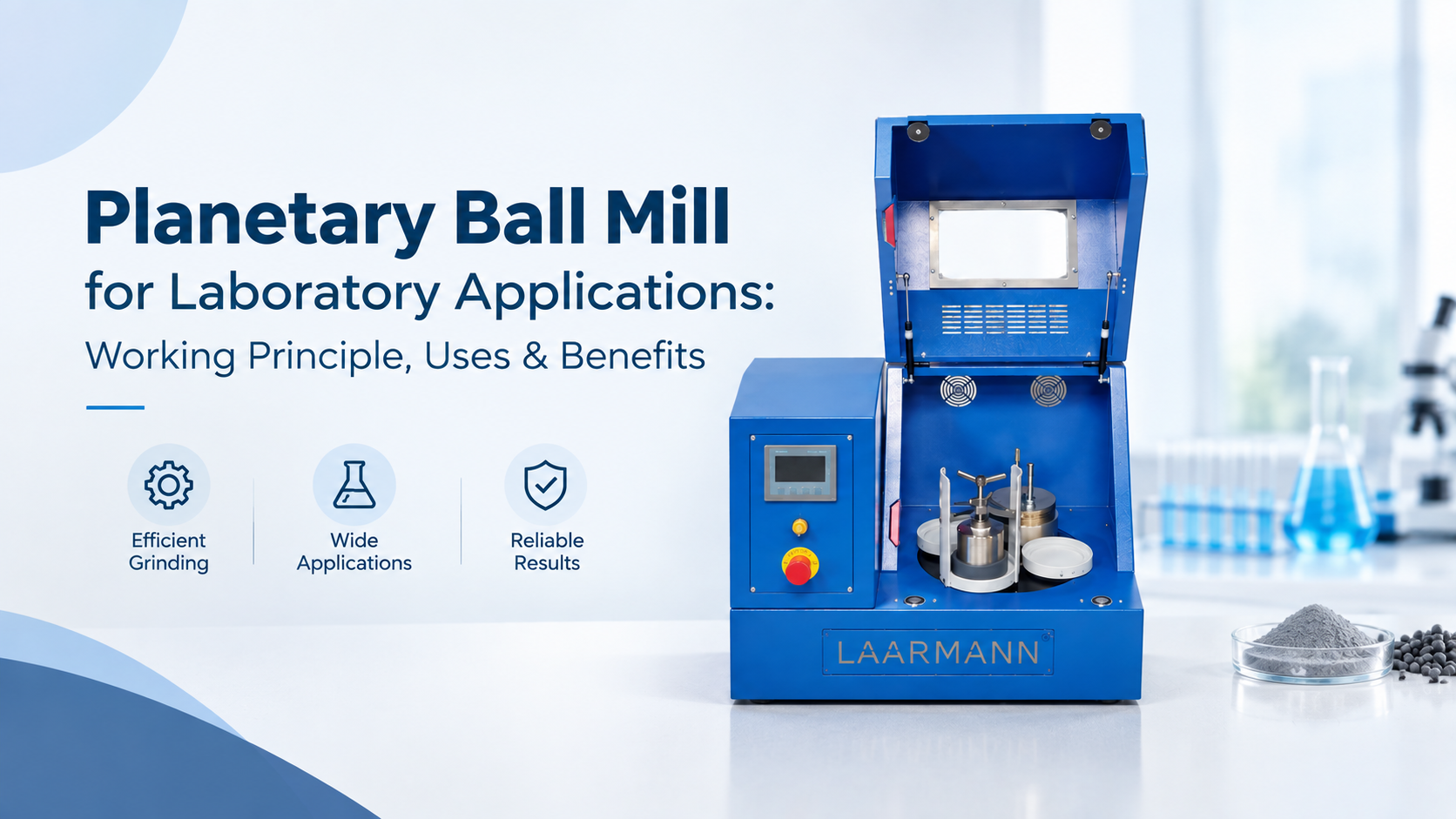
A Planetary Ball Mill for Laboratory in India is an important piece of equipment for laboratories involved in material research, sample preparation, chemical analysis, quality testing, and product development. It is designed to reduce materials into fine particles through high-energy grinding while also supporting mixing, homogenization, and mechanical processing.
Ark Scientific offers the LM PBM Planetary Ball Mill, a laboratory grinding system suitable for processing soft, hard, brittle, and fibrous materials. The equipment can be used for both dry and wet grinding and is designed for applications that require efficient and controlled particle-size reduction.
What Is a Planetary Ball Mill?
A planetary ball mill is a high-energy laboratory grinding machine that uses grinding jars and grinding balls to reduce samples into fine particles. Its operating principle is different from conventional ball mills because the grinding jars perform two rotational movements simultaneously.
The jars rotate around a central sun wheel while also rotating around their own axes. This planetary movement generates strong centrifugal and impact forces inside the grinding jars. The grinding balls repeatedly impact and move across the sample, producing size reduction through impact and friction.
This combination of movements makes a planetary ball mill suitable for laboratories that require fine and reproducible grinding results.
LM PBM Planetary Ball Mill from Ark Scientific
The LM PBM Planetary Ball Mill from Ark Scientific is designed for intensive laboratory grinding and sample preparation. It can process different types of materials and can be used for research, testing, and development applications.
The grinding jars are available in capacities ranging from 50 ml to 500 ml, providing flexibility for different sample quantities. Depending on laboratory requirements, the equipment can be configured with one to four grinding jar positions.
The LM PBM can be used for:
- Fine grinding of laboratory samples
- Dry grinding
- Wet grinding
- Sample preparation
- Mixing and homogenization
- Mechanical alloying
- Material research
- Quality control
- Research and development
It can also be used for homogenizing dry samples, emulsions, and pastes.
How Does a Planetary Ball Mill Work?
The working principle of the LM PBM is based primarily on impact and friction. The grinding jars are filled with the sample material and appropriate grinding balls before being positioned on the rotating sun wheel.
When the machine operates, the grinding jars rotate around the central axis while simultaneously rotating around their own axes. These movements generate centrifugal and Coriolis forces inside the jars.
The grinding balls move at high speed and interact with the sample material. Depending on the operating conditions, the balls can impact the sample or move across it, resulting in intensive grinding.
The LM PBM has a typical speed ratio of 1:-2, while the sun wheel speed can be adjusted between 50 and 650 min⁻¹. These operating parameters provide flexibility for different grinding requirements.
Key Features of the LM PBM
Fine Grinding
The LM PBM is designed for high-energy grinding and can achieve an end fineness of less than 1 μm, depending on the material and operating conditions. For suitable applications, colloidal grinding can achieve fineness below 0.1 μm.
Flexible Grinding Jar Capacity
The availability of 50 ml to 500 ml grinding jars allows laboratories to select a suitable capacity according to sample volume and testing requirements.
Programmable Grinding Time
The grinding time can be digitally programmed from 00:00 to 99:59. Programmable operation helps laboratories maintain consistent processing conditions between different tests.
Automatic Direction Reversal
The LM PBM supports interval operation with automatic direction reversal. This can help improve grinding efficiency and reduce the possibility of material agglomeration during processing.
Multiple Grinding Positions
Depending on the laboratory's requirements, the machine can be configured with 1, 2, 3, or 4 grinding jar positions. This provides flexibility for different sample-processing requirements.
Convenient Jar Exchange
The equipment is designed to allow convenient exchange of grinding jars and grinding balls, helping laboratories simplify sample preparation, cleaning, and routine operation.
Applications in Indian Laboratories
A Planetary Ball Mill for Laboratory in India can be used across several research and industrial laboratory environments. Its ability to produce very fine particles makes it suitable for applications where controlled sample preparation is important.
Typical materials that can be processed include minerals, ceramics, geological samples, chemicals, and various organic and inorganic materials.
Ark Scientific's application information includes materials such as gypsum, stones, soil, calcium, bentonite, kaolin, quartz, and cellulose.
The equipment can therefore be useful in material science laboratories, chemical laboratories, mineral testing facilities, educational and research institutions, and quality-control environments.
Why Choose Ark Scientific?
Choosing the right laboratory grinding equipment depends on the material being processed, required particle size, sample quantity, and intended application.
The LM PBM combines high-energy grinding with programmable operation, flexible grinding jar capacities, multiple jar positions, and automatic direction reversal. These features make it adaptable to a wide range of laboratory requirements in India.
Ark Scientific also provides the option of pre-purchase test grinding, allowing customers to evaluate the equipment with their own sample material before making a purchase decision. This can help laboratories determine whether the selected configuration is suitable for their specific application.
Choosing the Right Planetary Ball Mill for Your Laboratory
Before purchasing a planetary ball mill, laboratories should consider several factors, including the type and hardness of the sample, required final particle size, dry or wet grinding requirements, sample quantity, grinding jar material, and desired operating time.
Understanding these requirements can help laboratories select an appropriate machine configuration and grinding accessories for reliable results.
For laboratories in India looking for a versatile system for fine grinding and sample preparation, the LM PBM from Ark Scientific provides a flexible option for research and testing applications.
Conclusion
The Planetary Ball Mill for Laboratory in India from Ark Scientific is designed for high-energy grinding, fine particle-size reduction, mixing, homogenization, and sample preparation. With grinding jar capacities from 50 ml to 500 ml, programmable grinding time, automatic direction reversal, and an end fineness of less than 1 μm, the LM PBM can support a variety of laboratory applications.
Whether used for material research, chemical analysis, mineral testing, quality control, or research and development, a planetary ball mill can provide efficient and controlled sample processing. Ark Scientific's LM PBM offers laboratories in India a flexible solution for processing different types of materials and achieving fine grinding results according to their application requirements.