Sample preparation is an essential step in laboratory testing, material research, and quality control. Many materials need to be ground into fine particles and mixed uniformly before they can be analysed accurately. A Laboratory Mortar Grinder helps achieve this by combining grinding, homogenization, and mixing in a single process.
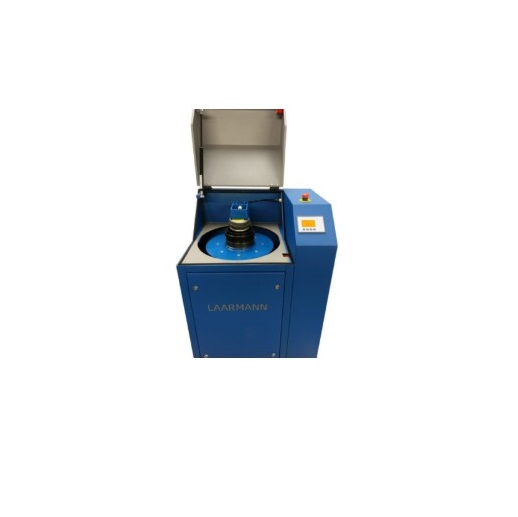
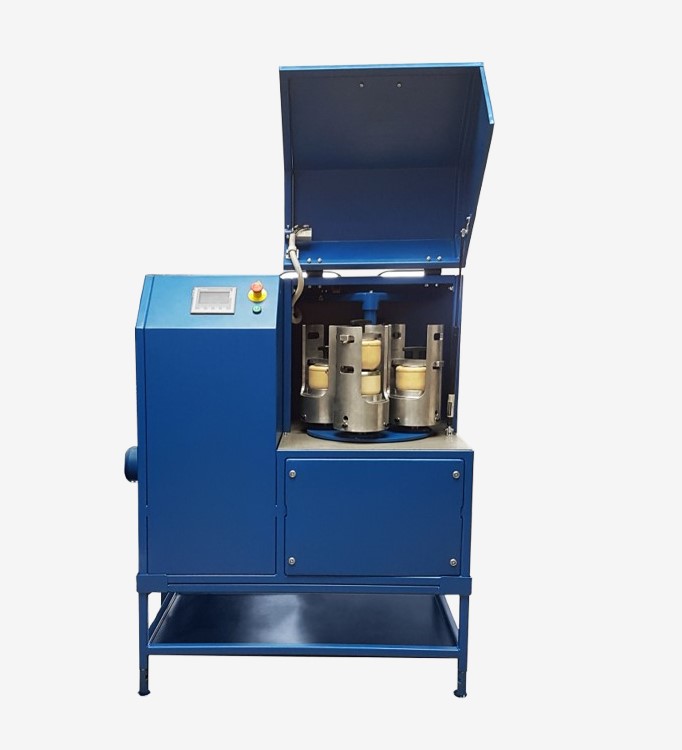
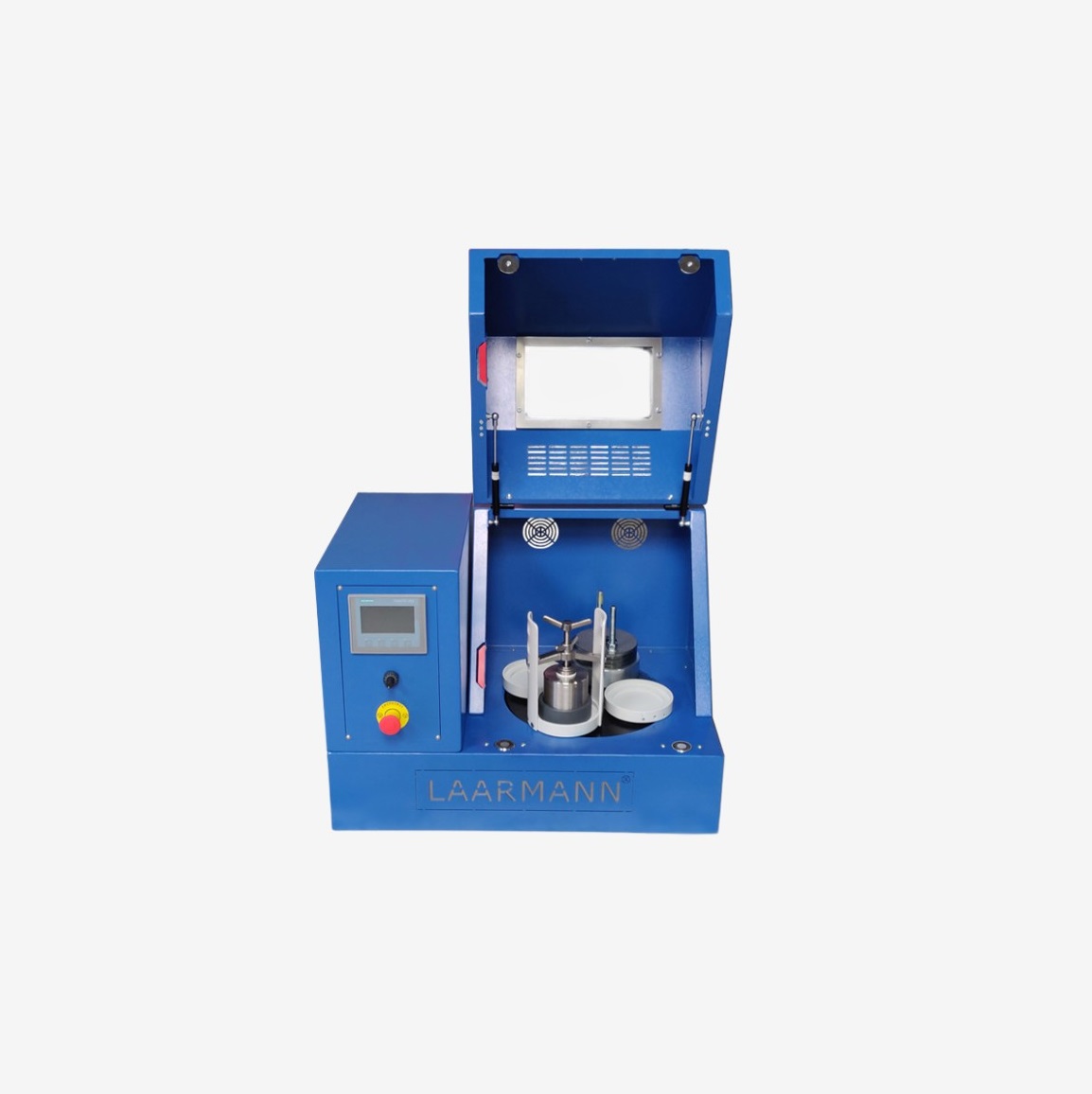
The LM-MG100 Mortar Grinder available from Ark Scientific is designed to process a wide range of solid materials under dry, wet, or cryogenic conditions, depending on the sample and equipment configuration. Its adjustable grinding parameters make it suitable for various laboratory sample preparation requirements.
What Is a Laboratory Mortar Grinder?
A laboratory mortar grinder is a sample preparation machine that reduces particle size through friction between a mortar and a pestle. Unlike manual grinding, it provides controlled and reproducible grinding conditions, helping laboratories prepare samples more consistently.
The equipment can be used for grinding solid materials, homogenizing mixtures, triturating samples, and processing certain pastes, creams, and suspensions. It is particularly useful when laboratories require fine grinding and uniform sample consistency for further analysis.
How Does a Laboratory Mortar Grinder Work?
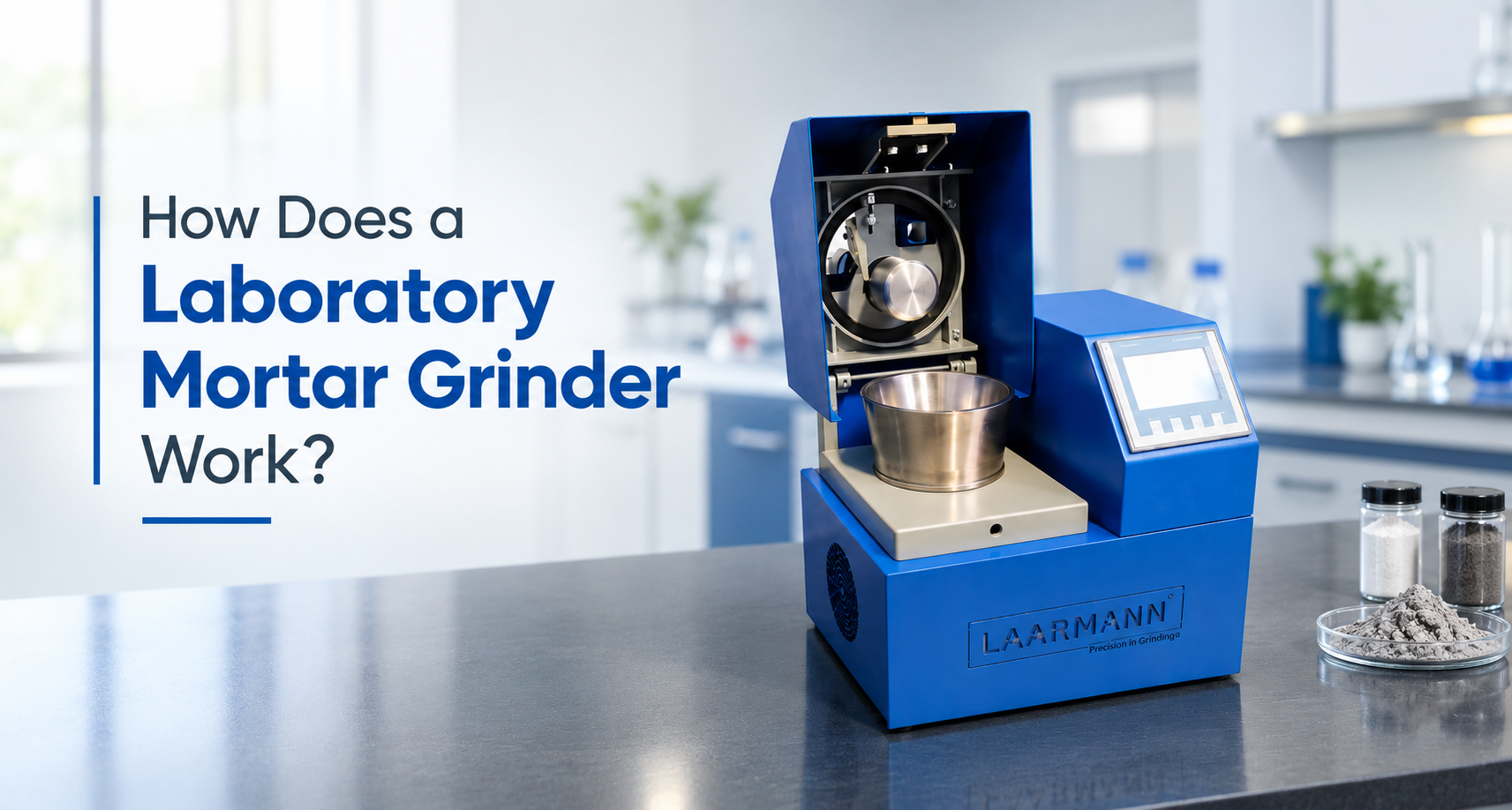
The working principle of a laboratory mortar grinder is based primarily on friction. The sample enters the grinding chamber through an inlet in the cover and moves into the space between the inner surface of the mortar and the bottom of the pestle.
As the machine operates, the pestle applies pressure to the sample against the mortar surface. The resulting friction and grinding action gradually reduce particle size while helping mix and homogenize the material.
The LM-MG100 includes an adjustable top-pressure mechanism, variable speed control, and an adjustable scraper. These features allow the grinding process to be adapted to different sample characteristics and desired results.
Key Features of the LM-MG100 Mortar Grinder
The LM-MG100 from Ark Scientific offers several features for laboratory sample preparation:
- Adjustable grinding pressure: Helps adapt the grinding process to the material and required fineness.
- Variable speed control: Allows operators to select suitable grinding conditions for different samples.
- Flexible scraper adjustment: Helps manage material movement within the grinding chamber.
- Multiple grinding conditions: Supports dry, wet, and cryogenic grinding when appropriate for the application.
- Easy cleaning: The removable mortar and pestle simplify cleaning between sample batches.
- Flexible sample capacity: Handles sample quantities from approximately 10 ml to 200 ml, depending on the material.
These features help laboratories manage different sample preparation tasks using one versatile machine.
Applications of Laboratory Mortar Grinders
Laboratory mortar grinders are used in analytical laboratories, research facilities, and quality control departments. Their applications include:
1. Material testing: Grinding suitable solid samples before laboratory analysis.
2. Pharmaceutical and chemical research: Preparing materials and mixtures for analytical investigations.
3. Food and agricultural testing: Grinding suitable food and agricultural samples for further examination.
4. Homogenization and mixing: Producing uniform mixtures and processing selected pastes, creams, and suspensions.
5. Quality control: Preparing representative samples to support consistent testing procedures.
Ark Scientific also highlights an application involving crushed cocoa processed with the LM-MG100 to produce a homogeneous paste.
What Particle Size Can a Mortar Grinder Achieve?
The final particle size depends on the material's hardness, structure, feed size, grinding duration, pressure, and equipment configuration. According to Ark Scientific, the LM-MG100 can typically process feed materials measuring up to 8–10 mm and achieve a final fineness of approximately 10–20 μm under suitable conditions.
For reliable results, laboratories should evaluate the material and select appropriate grinding parameters before routine processing.
Conclusion
A laboratory mortar grinder works by applying controlled pressure and friction between a pestle and mortar to grind, mix, and homogenize samples. Its adjustable settings and flexible grinding capabilities make it useful for laboratory research, material testing, and quality control applications.
The LM-MG100 Mortar Grinder from Ark Scientific provides a practical solution for laboratories requiring reproducible sample preparation across different material types. To explore its features and technical specifications, visit the LM-MG100 Mortar Grinder