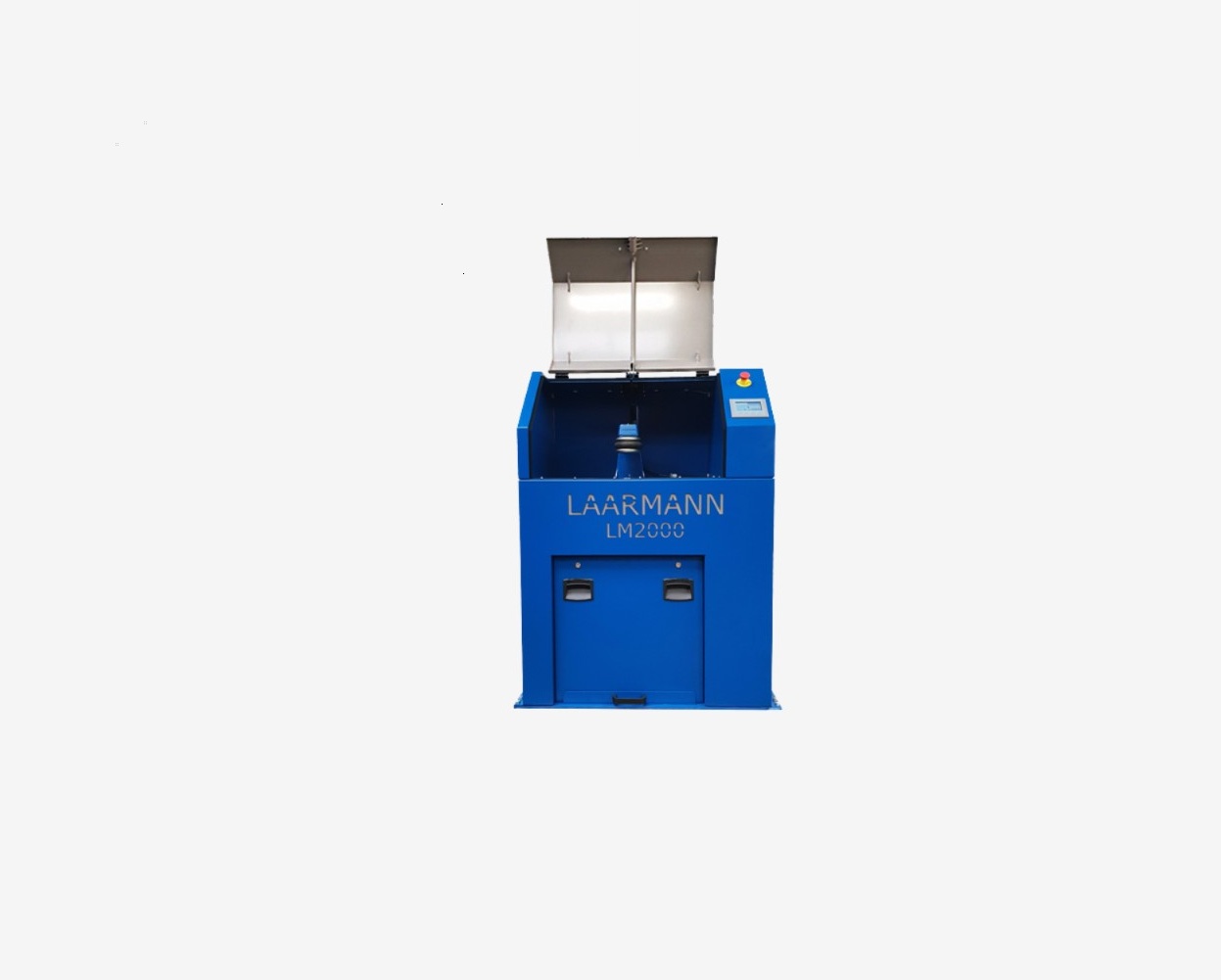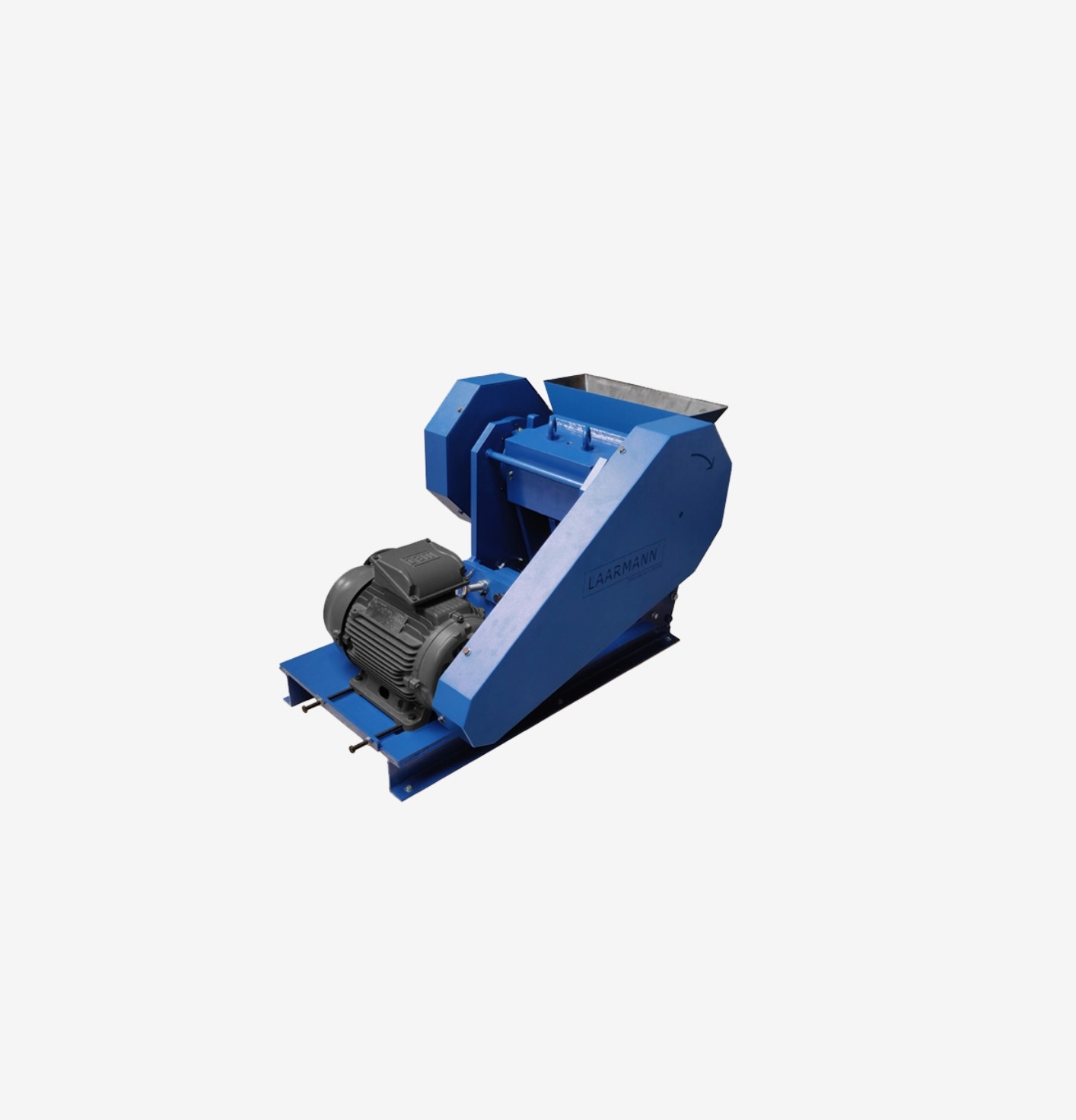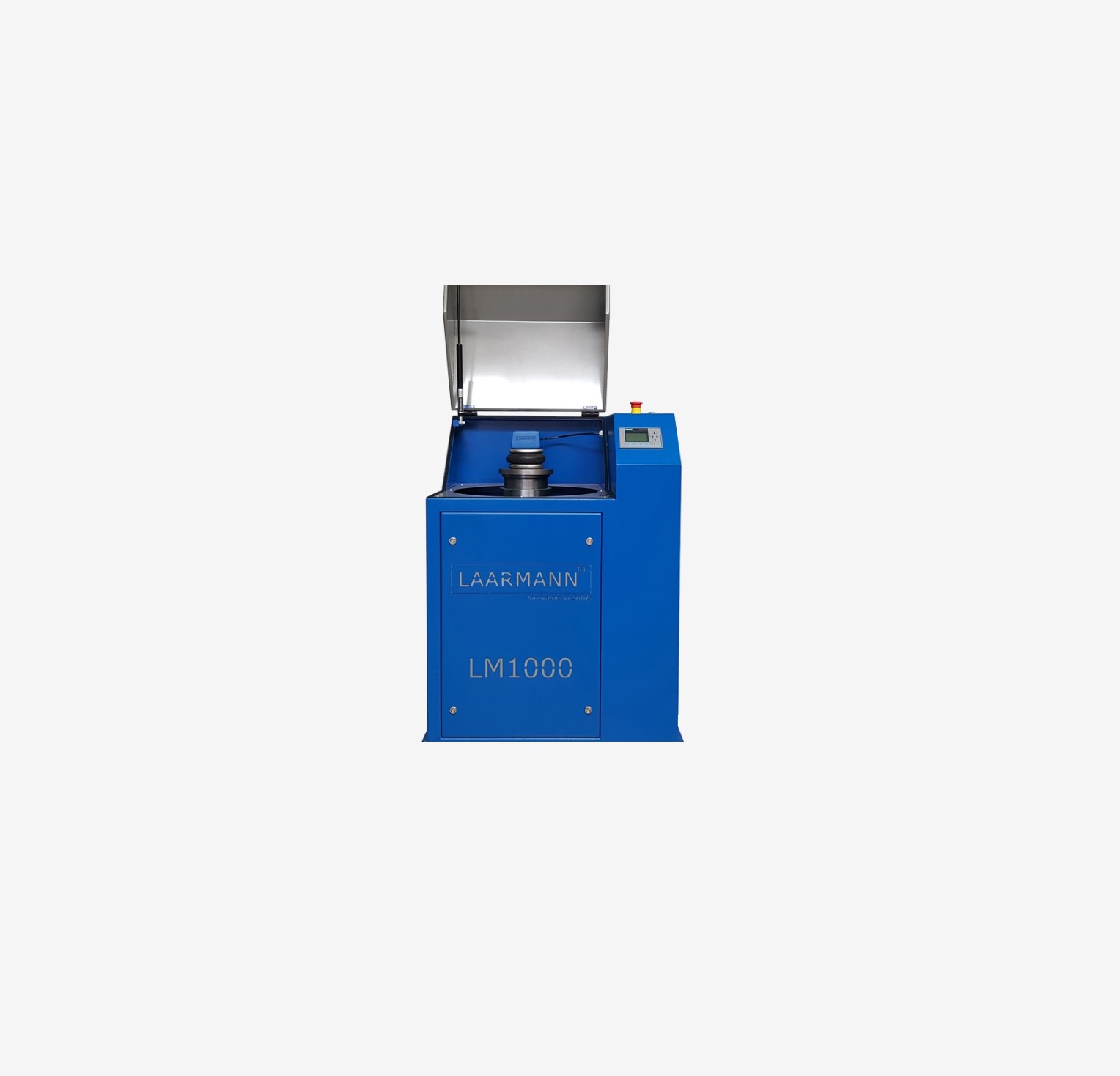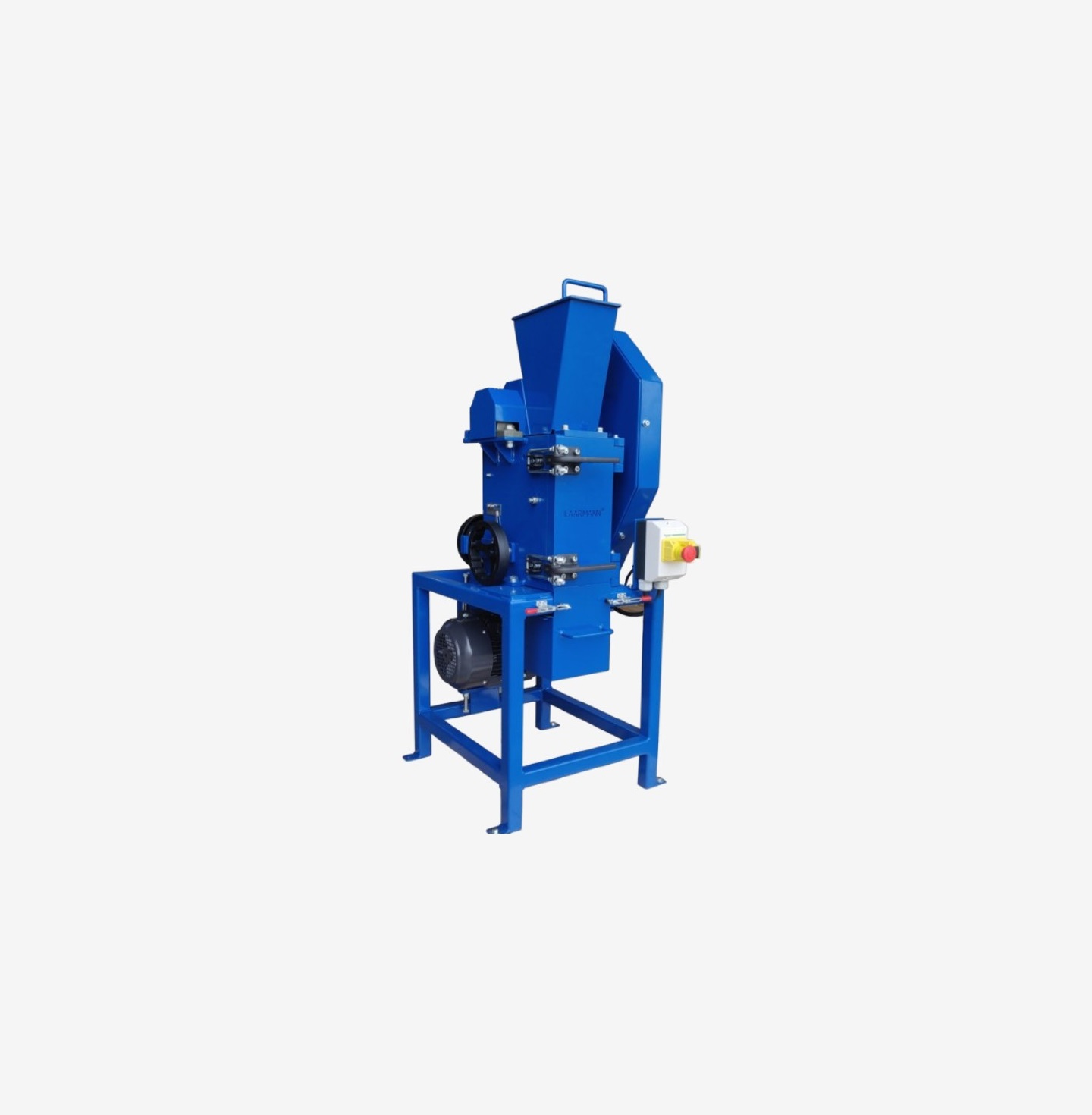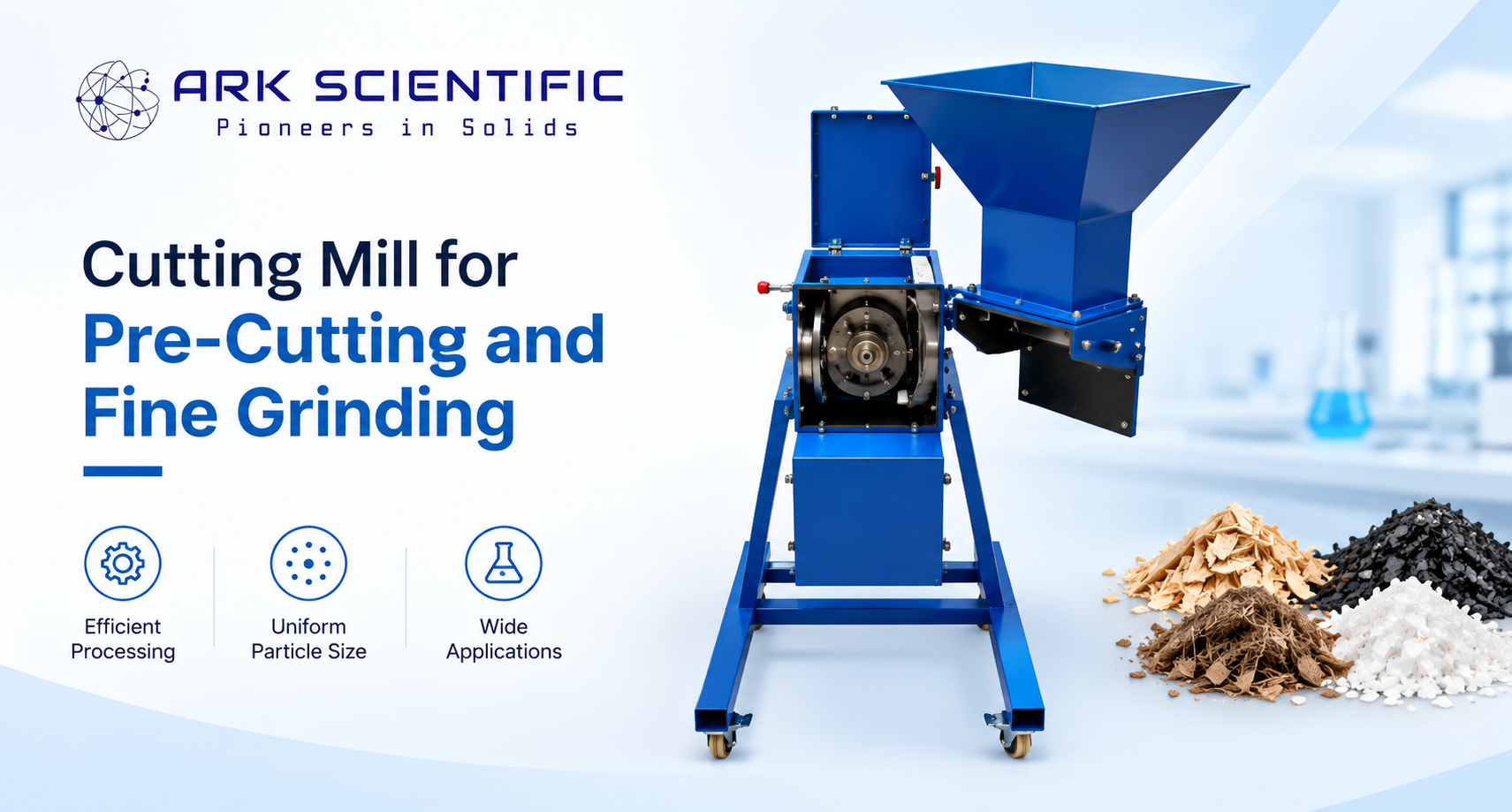
Efficient sample preparation is essential for laboratories, research centres, recycling facilities, and industrial processing units. Many materials require size reduction before they can be analysed, tested, or processed further. A Cutting Mill for Pre-Cutting and Fine Grinding provides an effective solution for reducing suitable solid materials into smaller particles through a controlled cutting mechanism.
ARK Scientific offers a range of cutting mills designed to meet different sample preparation requirements. Models such as the CM100, CM500, CM1000, CM2500, and CM4000 support different sample sizes and processing capacities, helping laboratories and industries select equipment according to their applications.
Working Principle of a Cutting Mill
A cutting mill works through the interaction of rotating and stationary knives inside a grinding chamber. The material enters the machine through a feeding hopper or guide chute and moves into the cutting chamber.
As the rotor rotates, its knives cut the material against the stationary knives, progressively reducing its size. The processed particles pass through a bottom sieve once they are small enough to pass through its openings. The selected sieve aperture determines the approximate final particle size.
This cutting mechanism is particularly suitable for soft, tough, elastic, and fibrous materials that require controlled size reduction. By selecting the appropriate sieve and machine configuration, users can prepare samples for further analysis, testing, or processing.
Key Features of ARK Scientific Cutting Mills
ARK Scientific provides cutting mill models designed for different laboratory and industrial requirements. Important features include:
- Efficient size reduction: The cutting mechanism supports the processing of suitable materials, including plastics, wood, paper, and biomass.
- Interchangeable bottom sieves: Different sieve openings provide flexibility in achieving the required particle size.
- Easy cleaning: Accessible grinding chambers and removable components, depending on the model, simplify routine cleaning and maintenance.
- Safety features: Designed safety mechanisms help support safer operation and access for cleaning.
- Multiple model options: Different models accommodate varying feed sizes, sample quantities, and processing capacities.
These features make cutting mills practical equipment for laboratories and industries that require reliable sample preparation. Actual performance depends on the selected model, material characteristics, and operating configuration.
Applications of Cutting Mills
Cutting mills are used across several industries where materials must be reduced to a suitable size before testing or further processing.
1. Plastics and Polymer Industry
Cutting mills can process suitable technical plastics, including selected ABS, PA, POM, and PE materials. The resulting particles can be used in recycling studies, polymer testing, and material characterization.
2. Wood, Paper and Biomass
Wood, paper, cardboard, cellulose, straw, and selected plant materials can be reduced for laboratory analysis, biomass research, and waste-processing applications.
3. Food and Animal Feed
Suitable food and animal feed samples can be prepared for composition analysis, quality control, and laboratory testing using an appropriate machine configuration.
4. Recycling and Waste Management
Selected rubber materials, textiles, carpets, electronic scrap, and industrial waste can be processed for material evaluation and recycling research.
5. Research and Quality Control Laboratories
Cutting mills help laboratories prepare samples with suitable particle sizes for subsequent analytical procedures. Consistent preparation can support reliable testing when combined with representative sampling and appropriate laboratory methods.
Benefits of Using a Cutting Mill
A cutting mill offers several benefits for sample preparation. Its cutting mechanism can process suitable materials efficiently, reducing the need for extensive manual size reduction. Interchangeable sieves allow users to adapt the process to different particle-size requirements.
Accessible grinding components can simplify cleaning between batches, while suitable machine configurations help accommodate different sample types. These advantages make cutting mills valuable for laboratories, research facilities, and industrial processing environments.
How to Choose the Right Cutting Mill
Before selecting a cutting mill, consider the material type, maximum feed size, required final particle size, sample quantity, and processing capacity. The machine should be suitable for the material's hardness, toughness, elasticity, and fibrous characteristics.
Users should also evaluate cleaning requirements, safety features, maintenance access, and the availability of suitable sieves. For specialised materials, sample testing before purchase can help confirm whether the selected model meets the required processing objectives.
Conclusion
A Cutting Mill for Pre-Cutting and Fine Grinding is an important solution for controlled size reduction in laboratory and industrial applications. Its knife-based operating principle, interchangeable sieves, and versatility make it suitable for processing various plastics, wood products, biomass, paper, and selected waste materials.
ARK Scientific offers cutting mill solutions for different sample preparation needs. Selecting the appropriate model based on material properties, feed size, and required particle fineness can help improve processing efficiency and support consistent laboratory results.